
Pardé fir
Abies pardei
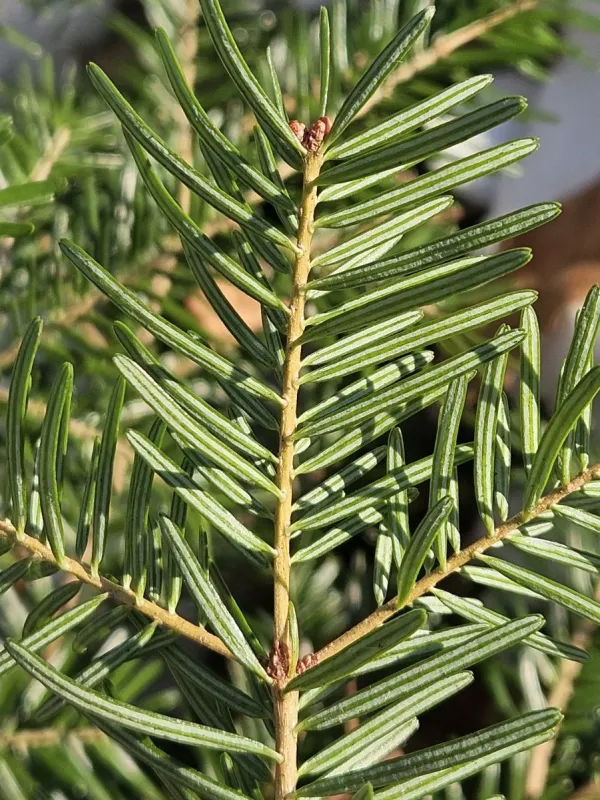
Description
Growing requirements
The Pardé fir (Abies pardei) is a distinctive member of the Pinaceae family, known for its elegant foliage and botanical rarity. This evergreen conifer requires specific environmental conditions to thrive, reflecting its natural high-altitude origin.
Successful cultivation depends on providing a cool and humid microclimate. The species performs best in deep, fertile, and well-drained soils that maintain a consistent moisture level without becoming waterlogged.
Regarding placement, it is essential to avoid sites exposed to intense midday sun or harsh, drying winds. Young saplings benefit significantly from protective screening or the partial shade provided by larger trees.
Agronomic management includes regular monitoring of soil pH, as this species prefers slightly acidic conditions. In garden settings, the application of organic mulch around the base is highly recommended to regulate temperature.
While the tree is relatively hardy, protection during exceptionally harsh winters is advisable, especially for younger specimens. Careful site selection remains the most effective strategy for long-term health and growth.
Main diseases and pests
Pardé fir is susceptible to several fungal pathogens, including needle cast diseases, which are exacerbated by poor air circulation. Proper spacing between trees is crucial to mitigate these risks in managed landscapes.
Insect pests, such as aphids and specific types of mites, frequently target the succulent growth of young branches. These infestations can stunt tree development if left unmanaged during the early spring season.
Management strategies involve the judicious use of pesticides when necessary, combined with cultural practices such as pruning infected branches to prevent the spread of localized outbreaks.
Root rot, often caused by poorly drained substrates or excessive irrigation, represents a major threat to this species. Preventive measures focus on improving soil aeration and avoiding water-saturated root zones.
Overall plant vigor can be supported through balanced fertilization and stress reduction. Maintaining the tree in its preferred climate zone is the primary defense against both biological threats and environmental stress.