
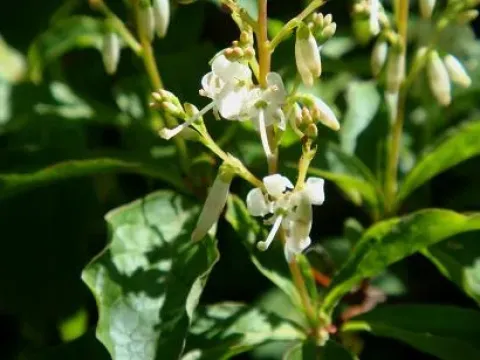
Tripetaleia
Tripetaleia
Tripetaleia is a genus of deciduous shrubs belonging to the Ericaceae family. Known for its specific botanical requirements, this plant is primarily native to the forest regions of East Asia, particularly Japan, where it thrives in cool and humid conditions.
What the section contains
Tripetaleia
To cultivate Tripetaleia successfully, gardeners must provide highly acidic, well-draining soil rich in organic matter. Mixing the soil with pine needles, peat moss, or specialized acidic potting mixes is essential to replicate its natural forest floor habitat and promote healthy root development.
The botanical structure of the plant is distinguished by its unique flower morphology, where the perianth segments usually appear in sets of three. The foliage is simple and alternate, contributing to the plant's overall aesthetic appeal in landscape designs, especially in shaded garden areas.
Climate preferences for Tripetaleia involve protection from intense heat and direct sunlight, which can quickly desiccate the foliage. Providing a location with dappled shade and consistent soil moisture is crucial for maintaining the shrub's health and vitality throughout the growing season.
Economically, Tripetaleia is valued in the horticultural industry as an ornamental specimen. It is highly sought after by collectors and landscape designers looking for unique, shade-tolerant shrubs that add texture and elegance to acid-loving plant beds or woodland gardens.
The primary threats to Tripetaleia include fungal root infections caused by waterlogging. Since the roots are sensitive to anaerobic conditions, ensuring proper drainage and avoiding stagnant water around the root ball is vital for the plant's survival and long-term health.
Pests such as spider mites and scale insects can pose a significant threat during periods of low humidity or drought. These pests feed on the plant sap, causing leaves to yellow, curl, and eventually drop if left untreated, leading to a decline in the plant's vigor.
Chlorosis is a frequent issue if the soil pH becomes too high. Because the plant requires a specific acidic range (pH 4.5–5.5), any deviation towards alkalinity will lock up essential nutrients, resulting in pale foliage and stunted growth patterns that require immediate soil correction.
Winter damage is another concern, particularly in regions with harsh, dry winds. Young shrubs should be mulched heavily or protected with barriers to insulate the roots and prevent excessive moisture loss from the stems during the dormant winter months.
Maintaining plant health requires a proactive approach: regular inspection for signs of infestation, sanitation by pruning dead branches, and seasonal application of appropriate fertilizers formulated for acid-loving plants to ensure strong, disease-resistant growth.