
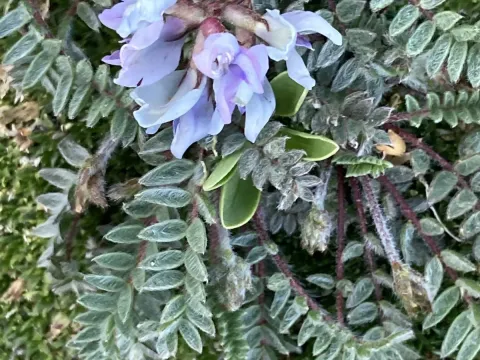
Swiss locoweed
Oxytropis helvetica
Swiss locoweed (Oxytropis helvetica) is a perennial herbaceous plant belonging to the Fabaceae family. It is known for its compact growth habit and its ability to thrive in harsh, high-altitude environments where few other species can survive.
What the section contains
Swiss locoweed
Originating from the European Alps, this plant is well-adapted to rocky substrates and stony mountain slopes. Its natural habitat is characterized by short summers and significant environmental stresses, which have shaped its physiological traits.
Cultivation requires well-drained, porous, and lime-rich soils. The plant does not tolerate waterlogging, as its root system is adapted to oxygen-rich, stony environments. Providing adequate drainage is the most critical factor for successful growth.
Climate preferences include high solar radiation and good air circulation. The plant is extremely hardy regarding cold temperatures but requires plenty of light to maintain its growth cycles and produce seeds effectively.
In terms of agricultural use, it is valued for soil stabilization and landscape restoration in alpine zones. Its symbiotic relationship with nitrogen-fixing bacteria allows it to enrich poor mountain soils, contributing to ecosystem health.
The primary threats to the health of Oxytropis helvetica are fungal pathogens, specifically those causing root rot in damp or poorly ventilated soils. Constant moisture around the collar area is fatal for established plants.
Pests such as weevils and certain species of caterpillars may pose a threat by feeding on the leaves and reproductive parts. In some regions, soil-dwelling larvae can damage the root system, weakening the plant's stability.
Effective management strategies involve ensuring proper spacing to promote air movement and reduce humidity around the plant base. Chemical controls are generally discouraged unless the infestation level exceeds economic thresholds.
Prevention relies heavily on selecting sites that mimic the natural rocky drainage of the species. Regular inspection of the root zone and foliage for early signs of disease is recommended throughout the growing season.
Maintaining a balanced soil environment and avoiding over-fertilization are crucial, as excessive nitrogen can promote succulent growth, making the plants more attractive to pests and susceptible to secondary infections.