
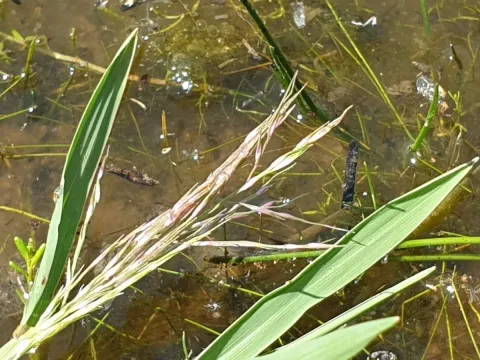
Spiny swamp grass
Chamaeraphis spinescens
Spiny swamp grass (Chamaeraphis spinescens) is a perennial grass species belonging to the Poaceae family. It is a specialized plant that thrives in wetland environments, playing a significant role in the ecosystem stability of its native habitats in Australia.
What the section contains
Spiny swamp grass
The geographic distribution of this species is primarily centered in tropical and subtropical zones. It is commonly found in riparian zones, wetlands, and low-lying areas that experience frequent inundation or saturation of the soil profile.
Botanically, the plant is characterized by its narrow, linear leaves and distinct inflorescences featuring spiny bristles at the base of the spikelets. The root structure is robust, allowing the grass to anchor firmly in saturated soil conditions.
In terms of climate requirements, the plant necessitates high levels of annual precipitation and consistent humidity. It excels in heavy, nutrient-rich soils such as clays and silts, where moisture levels remain high throughout the growing season.
The agricultural utility of Chamaeraphis spinescens is primarily linked to its use as a pasture resource. It provides essential grazing biomass in wetland areas where conventional forage crops would struggle to survive due to waterlogging.
The primary threats to this grass include fungal pathogens that exploit the high-humidity environment. Root rot and stem blights are the most common issues, particularly during seasons with excessive rainfall or prolonged standing water.
Pest pressure often comes from insects adapted to damp habitats, such as leafhoppers or stem-boring larvae. These pests can significantly reduce biomass yield and impact the overall vigor of the plant stand during the summer months.
Weed competition is a significant concern during the initial establishment phase. Without proper management, opportunistic invasive weeds can quickly outcompete young seedlings for light and space in the nutrient-rich wetland soil.
Climate variability, specifically unexpected drought events, can be devastating to the crop. While well-adapted to excess moisture, the plant lacks significant tolerance for extended dry periods, leading to rapid yellowing and biomass decay.
Effective management strategies involve rotating grazing periods to prevent soil compaction and promote plant recovery. Maintaining a balanced density is key to suppressing weed encroachment and reducing the risk of localized disease outbreaks.