
Sphaeropteris
Sphaeropteris
Description
Growing requirements
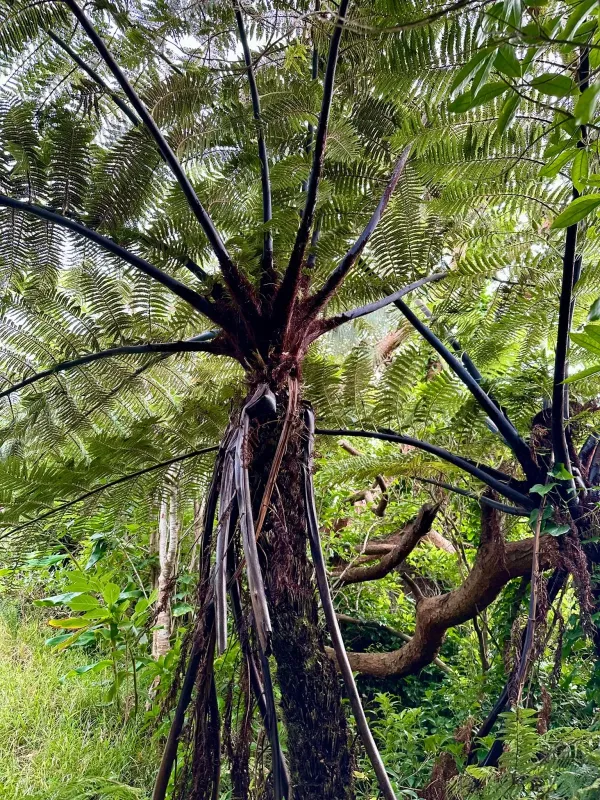
Sphaeropteris is a genus of tree ferns belonging to the Cyatheaceae family. Native to tropical and subtropical regions, these plants are primarily found in Australia, Southeast Asia, and various Pacific islands, where they occupy humid forest habitats.
These plants require high levels of atmospheric humidity to thrive. In a controlled cultivation environment, regular misting or the use of automated humidification systems is essential to prevent the dehydration of the fronds.
The ideal substrate for Sphaeropteris must be porous and rich in organic matter. A mixture of peat, leaf mold, and coarse orchid bark is commonly used to ensure adequate aeration and moisture retention without risking root suffocation.
Temperature management is critical, as most species in this genus do not tolerate frost. Maintaining a stable range between 18 and 26 degrees Celsius supports the development of the fibrous trunk, which is characteristic of the species.
Sphaeropteris displays a slow growth rate, requiring patience from the grower. The plant forms a rosette of large, arching fronds at the apex of its trunk, which can eventually reach significant dimensions depending on the specific species and conditions.
Main diseases and pests
Root rot is the most significant threat to Sphaeropteris, often caused by overwatering or poor drainage systems. When the roots remain submerged in water, the structural integrity of the trunk is compromised, leading to decline.
Pests such as mealybugs and scale insects frequently infest the base of the fronds. Their presence can severely inhibit growth, as they extract essential sap from the plant's vascular tissues and can carry secondary infections.
Spider mites are a common nuisance, particularly in indoor environments with low airflow. These pests cause chlorosis on the leaves, leading to yellowing and premature death of the foliage if left untreated.
To maintain plant health, it is vital to keep the growing area clean of dead plant material, which can harbor fungal pathogens. Regular inspection and the application of mild, horticultural soaps are often effective first-line treatments.
While Sphaeropteris is relatively resilient in its native habitat, domesticated specimens are prone to shock if moved to locations with drastically different light or temperature profiles. Gradual acclimatization is necessary to avoid significant physiological stress.