
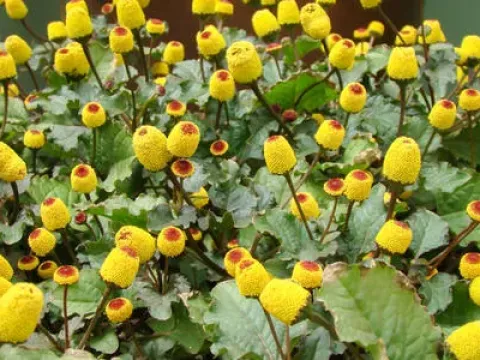
Spilanthes acmella
Spilanthes acmella
Spilanthes acmella, commonly known as the toothache plant, is a tender perennial that is typically grown as an annual in cooler climates. Start seeds indoors 6 to 8 weeks before the last frost date to ensure a long growing season.
What the section contains
Spilanthes acmella
Maintain an indoor temperature of 20–25 degrees Celsius for optimal germination. Seeds are small and should be sown lightly on the surface of the soil, covered with a thin layer of vermiculite, and kept moist until sprouting occurs.
Transplanting into the garden should only happen once the soil has warmed up and all danger of frost has passed. This plant thrives in heat, so early planting in cold soil will significantly stunt its growth and may even lead to root rot.
Space the plants approximately 30 to 40 centimeters apart. Proper spacing allows for adequate airflow, which is essential to prevent moisture-related diseases, especially in humid and dense foliage environments.
Direct seeding is only advisable in tropical or warm temperate zones where the growing season is long enough for the plant to reach the flowering stage, which is the primary period for harvesting medicinal properties.
This crop belongs to the Asteraceae family and originates from South American tropical regions. It requires full sun exposure to develop the potent compounds that give it its signature numbing effect in the mouth.
The soil must be rich, fertile, and well-draining. Spilanthes is highly sensitive to waterlogging; however, it requires consistent moisture to thrive and produce high-quality biomass throughout the summer months.
Apply a balanced, slow-release fertilizer at the time of planting to support vegetative growth. As the plant approaches the budding stage, switching to a fertilizer higher in phosphorus and potassium will promote better flower production.
Mulching around the base of the plant helps retain soil moisture and prevents weeds from competing for nutrients. Regular weeding is necessary, as the plant is a poor competitor when it is still in its early seedling stage.
Temperature management is critical. The optimal growing temperature is between 20 and 30 degrees Celsius. Below 15 degrees, the metabolic activity of the plant slows down, leading to chlorosis and decreased production of active metabolites.
The yield of Spilanthes acmella is primarily measured by the weight of its flower heads and leaves. Under optimal conditions, a single healthy plant can produce a significant amount of harvesting material throughout the season.
Harvesting should be done strategically. By removing the flower heads, you stimulate the plant to branch out and produce more flower buds, which effectively increases the total yield of the bioactive components over the summer.
The chemical concentration of spilanthol, the primary numbing agent, is highest when the flowers are in full bloom but before the seeds have begun to mature. Timing the harvest is therefore essential for pharmaceutical quality.
In industrial production, biomass yield can range from 1 to 3 tonnes of dried material per hectare, depending on irrigation practices, soil nutrient management, and the specific cultivar used for cultivation.
Post-harvest yield retention depends on the drying method. Using forced-air dehydrators at low temperatures ensures that the essential oils and volatile compounds are preserved in the final product for long-term storage.
Root rot is the most serious threat to Spilanthes acmella, especially in heavy or poorly drained soils. Avoiding over-irrigation and ensuring the soil has high organic matter content helps mitigate this risk significantly.
Aphids are a common pest that target the succulent new growth and the flower heads. Regular inspections are necessary, and if infestations occur, insecticidal soaps or neem-based treatments are effective solutions.
Spider mites can become a major issue during hot and dry spells. They cause leaf yellowing and stippling, which can be prevented by maintaining high humidity levels around the plants and providing consistent watering.
Powdery mildew can affect the leaves during periods of high humidity and poor air circulation. Thinning out the plants and ensuring they are located in an area with good exposure to breezes reduces the incidence of this fungus.
Slugs and snails are particularly attracted to the seedlings. Using physical barriers like copper tape or diatomaceous earth around the garden bed is an effective non-chemical way to protect young plants until they are established.
Harvesting is best performed in the mid-morning after the dew has evaporated but before the heat of the day reaches its peak. This helps preserve the potency of the essential oils within the plant tissues.
Use clean, sharp shears to snip the flower heads along with a few centimeters of the stem. This keeps the harvest organized and makes it easier to process the material for drying or fresh extraction.
For medicinal purposes, segregate the flowers from the leaves, as they often have different concentrations of active ingredients. This allows for better standardization of the end product for various herbal applications.
If you intend to save seeds, select the most vigorous plants and allow the flower heads to fully turn brown on the stalk. The seeds are tiny and should be collected in a paper bag to prevent them from blowing away.
After harvesting, keep the material out of direct sunlight and in a dry, well-ventilated area. Rapid processing is required because the plant material is succulent and prone to rapid decomposition if left in heaps.