
Severinia
Severinia
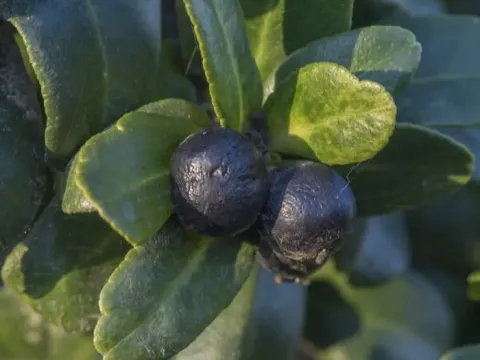
Severinia is a genus of evergreen shrubs and small trees belonging to the Rutaceae family. It is widely recognized for its dense, glossy foliage and sharp thorns, making it a distinctive ornamental plant in many regions.
What the section contains
Severinia
Native to Southeast Asia, this plant thrives in subtropical climates. It prefers sunny locations but can tolerate partial shade, provided that temperatures remain within a favorable range for its growth.
Regarding soil requirements, Severinia grows best in well-drained, fertile soil. It does not tolerate waterlogging, so ensuring excellent drainage is critical to prevent root system degradation.
Agricultural management involves regular irrigation during the growing season and periodic fertilization to maintain vigorous foliage production and healthy development.
In terms of practical use, Severinia is frequently utilized as a disease-resistant rootstock for various citrus cultivars, leveraging its natural hardiness against common pathogens found in the citrus group.
Common pests affecting Severinia include scale insects and spider mites, which often thrive in dry indoor or sheltered environments where the plant is kept.
Fungal diseases, such as leaf spot and anthracnose, can impact the plant if humidity levels are too high and the air circulation around the crown is insufficient.
Phytophthora root rot poses a significant threat if the plant is grown in heavy, poorly drained soil, which can lead to quick wilting and eventual death of the specimen.
Regular monitoring of the leaf undersides is recommended to detect pest infestations early before they lead to severe damage to the plant's aesthetic value.
Integrated pest management, including the use of systemic insecticides and maintaining proper sanitary conditions around the plant, is essential for successful cultivation.