
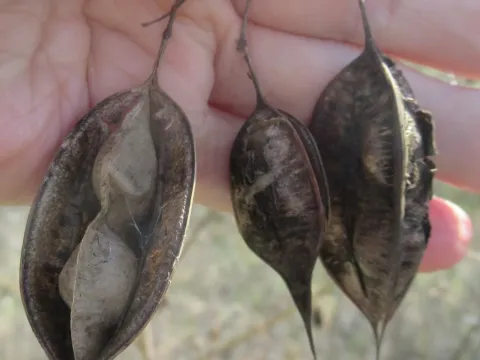
Sesbania platycarpa
Sesbania platycarpa
Sesbania platycarpa is a warm-season crop that requires soil temperatures consistently above 15-18 degrees Celsius for successful germination and initial establishment.
What the section contains
Sesbania platycarpa
Sowing should take place in late spring, ensuring that the risk of late frosts has passed, as the seedlings are highly sensitive to cold weather conditions.
Seeds are typically sown at a depth of 2-3 centimeters to ensure optimal moisture contact and to support the rapid development of the root system during the early stages.
Seeding rates may vary significantly based on whether the primary goal is biomass production for green manure or the multiplication of the seed stock for future seasons.
Seed scarification is highly recommended prior to planting, as it effectively overcomes seed coat dormancy and significantly improves the uniformity of seedling emergence in the field.
As a member of the Fabaceae family, Sesbania platycarpa is well-regarded for its adaptability to diverse environmental conditions, particularly in poorly drained soils.
The crop thrives in full sun exposure, as it requires high light intensity to maximize its photosynthetic capacity and biomass accumulation throughout the growing period.
While it is tolerant of various soil types, including heavy clays, the plant performs optimally in fertile, well-structured loam soils with a neutral pH level.
One of the most valuable traits of this species is its ability to fix atmospheric nitrogen via symbiotic bacteria, which significantly benefits soil nitrogen levels.
Though it demonstrates a degree of waterlogging tolerance, the crop still requires adequate moisture to maintain peak growth rates during the vegetative cycle.
The biomass yield of Sesbania platycarpa is highly dependent on the availability of nutrients and the management of soil moisture levels throughout the growing season.
When used as a green manure, the crop can generate a substantial amount of organic matter that contributes to improved soil structure and long-term fertility.
Yield components in seed production are influenced by plant branching architecture and the total length of the growing period available before harvest maturity.
Proper agronomic practices, including weed management and optimal spacing, are critical for achieving high-yielding stands that meet commercial requirements.
Balanced fertilization, particularly with phosphorus and potassium, can further enhance both the vegetative biomass and the total yield of seeds at maturity.
While generally hardy, Sesbania platycarpa can be susceptible to various fungal pathogens if grown under conditions of excessive soil moisture or poor air circulation.
Insects such as aphids or certain coleopteran species can cause damage to tender leaves and stems, necessitating regular field monitoring and prompt management.
The use of crop rotation cycles is essential to prevent the buildup of soil-borne pests and diseases that specifically target leguminous plant species in the field.
Weed competition during the initial establishment phase can significantly retard crop growth, making early-season mechanical or cultural control methods vital.
- Root rot caused by stagnant water or soil compaction.
- Leaf-feeding insects that impact photosynthesis during vegetative growth.
- Fungal stem blights triggered by prolonged rainy periods.
For biomass or green manure applications, the crop should be incorporated into the soil during the peak flowering stage to ensure the highest nitrogen content.
Harvesting for seed production occurs once the pods change color and reach physiological maturity, typically indicating a decline in the seed moisture content.
Care must be taken during the harvesting process to minimize physical damage to the seeds, as the pods can be brittle and prone to shattering if handled poorly.
Post-harvest cleaning is essential to remove chaff, debris, and immature seeds, which helps ensure stable storage conditions and prevents potential mold development.
Seeds should be stored in a cool, dry, and well-ventilated environment to maintain their viability and germination percentage for the subsequent planting season.