
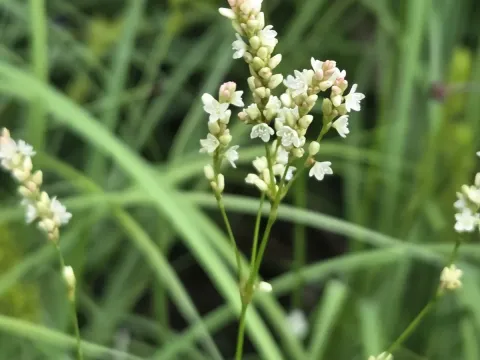
Opelousas knotweed
Polygonum opelousanum
Opelousas knotweed (Polygonum opelousanum) is an herbaceous plant belonging to the Polygonaceae family. In an agricultural context, this species is primarily categorized as an invasive weed rather than a cultivated crop, often impacting the productivity of arable lands.
What the section contains
Opelousas knotweed
The plant is native to North America, flourishing in environments characterized by high soil moisture levels. It is frequently identified in wetland fringes, irrigation channels, and field depressions where stagnant water promotes its rapid vegetative expansion.
Botanically, the species is recognized by its erect, branching stems and lanceolate foliage. Its growth pattern is highly opportunistic, allowing it to establish deep root networks that extract nutrients and water, which would otherwise support target crops.
Optimal conditions for growth include consistently moist soils and temperate to subtropical climates. The plant exhibits a high degree of vigor, thriving in areas where soil drainage is suboptimal, making it a persistent challenge for field management teams.
Economic use of the plant is non-existent within mainstream agriculture. It is treated as an unwanted vegetation component that requires management strategies to ensure that it does not compete for resources with valuable agricultural yields.
The species is susceptible to various fungal pathogens, which can sometimes bridge the gap between weed populations and cash crops. Rust fungi and various forms of leaf spots are among the most common biological threats observed during the growing season.
Insects, particularly specialized leaf beetles, serve as the primary pests for this plant. While they keep the population in check in natural habitats, they may migrate to cultivated fields during peak season, causing incidental damage to neighboring crops.
Preventive strategies involve improving field drainage to make the environment less hospitable for this moisture-loving weed. Proper leveling of fields can significantly reduce the establishment of localized colonies of the plant.
Chemical control focuses on the application of selective herbicides that target broadleaf weeds within grassy crop systems. Successful control is usually achieved through early-season applications before the plant reaches the reproductive stage.
Effective management requires a long-term approach, including the maintenance of healthy crop competition. By ensuring that primary crops establish quickly and cover the soil, farmers can naturally suppress the germination and growth of Opelousas knotweed.