
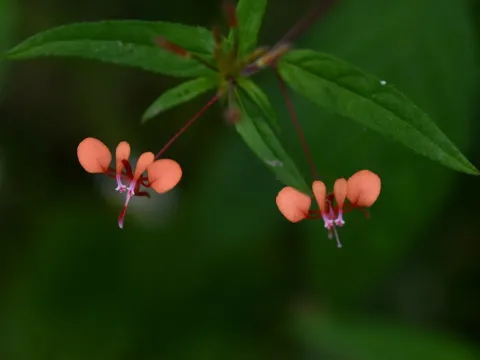
Lopezia coronata
Lopezia coronata
The cultivation of Lopezia coronata typically begins with indoor sowing in late winter or early spring. This allows the plants to establish a strong root system before the warm season starts.
What the section contains
Lopezia coronata
Seeds should be sown in a well-draining, sterile potting mix. Because the seeds are small, they only require light covering with substrate to ensure they have enough light to germinate effectively.
Optimal germination occurs at temperatures between 20°C and 22°C. Maintaining high humidity with a clear cover is beneficial, provided that daily ventilation prevents fungal growth.
Seedlings are transplanted once they develop at least two true leaves. Gentle handling is crucial to avoid damaging the delicate roots, which can significantly stunt further development.
Hardening off the plants outdoors over a week is necessary before final planting in the garden to ensure they adjust to ambient temperatures and direct light exposure.
Lopezia coronata is a member of the Onagraceae family, native to the mountainous regions of Mexico. It is widely cultivated for its unique, spurred flowers that add an exotic touch to gardens.
The plant thrives in full sun but appreciates some afternoon shade in regions with extremely hot climates. Ensuring at least 6-8 hours of sunlight is essential for prolific flowering.
Regarding soil, it prefers fertile, well-draining loam. While it is adaptable to various soil types, waterlogging must be avoided at all costs to prevent root rot, which is the primary killer of this species.
Watering requirements are moderate; the soil should be kept consistently moist but not saturated. Drought stress may cause the plant to drop its buds prematurely, reducing its aesthetic value.
Regular feeding with a balanced liquid fertilizer during the growing season supports continuous blooming. It is recommended to apply fertilizer every two weeks for optimal growth results.
Aphids and spider mites are the most common pests affecting Lopezia coronata, particularly in warm, dry environments where their populations can explode in a very short time.
Fungal diseases, including powdery mildew and root rot, are often triggered by high humidity combined with poor air circulation. Proper spacing between plants is the best preventative strategy.
Regular monitoring of the foliage, especially the undersides of leaves, helps in the early detection of pest infestations, allowing for immediate manual removal or targeted treatment.
If chemical intervention becomes necessary, use horticultural oils or insecticidal soaps to minimize the impact on beneficial garden insects such as bees and butterflies.
Maintaining a clean growing area by removing decaying plant matter is crucial for reducing the risk of disease spread within the garden patch.