
Morrison juniper
Juniperus morrisonicola
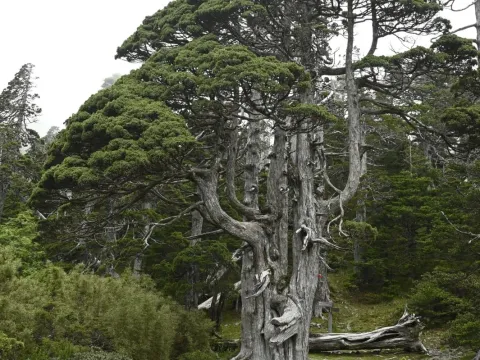
Morrison juniper (Juniperus morrisonicola) is a conifer belonging to the Cupressaceae family. It is a rare endemic species native to the high-altitude regions of Taiwan, specifically flourishing on steep rocky slopes at elevations between 2500 and 3500 meters.
What the section contains
Morrison juniper
Botanically, it is recognized for its slow-growing habit and ability to withstand extreme mountain weather. The plant typically presents with dense, scale-like foliage that varies in color depending on the season and exposure to sunlight.
The cultivation requirements are strict, focusing on soil drainage. This species thrives in rocky or sandy substrates that mimic its natural alpine habitat. Any tendency toward heavy, water-retentive soil can be fatal due to the high susceptibility to root rot.
Climatically, it prefers cool temperatures and high atmospheric humidity. In garden environments, it requires a sheltered spot with good ventilation and protection from intense midday heat, which can stress the plant and lead to needle drop.
Maintenance is minimal but precise. It does not require frequent fertilization, as the species is adapted to nutrient-poor soils. Pruning should be kept to a bare minimum, focusing only on sanitary cuts to remove dead or diseased branches to maintain the plant's natural architectural shape.
The primary threats include fungal pathogens such as needle blight and root rot, which are often triggered by improper watering practices or high humidity without adequate air circulation. Keeping the soil profile balanced is the most important defense strategy.
Common pests include spider mites and scale insects. These can be particularly troublesome during hot, dry spells. Keeping the plant hydrated and applying horticultural oils or appropriate miticides when an infestation is detected will help protect the foliage.