
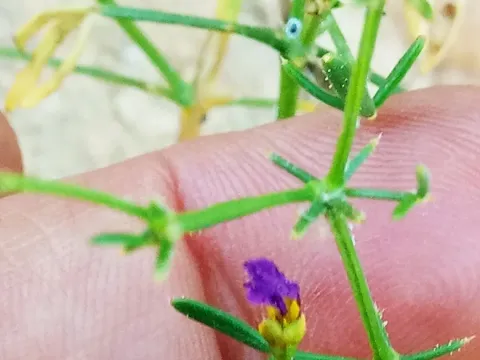
Zygophyllum orientale
Zygophyllum orientale
Sowing Zygophyllum orientale in arid regions is best performed during the autumn-winter or early spring seasons. It is essential to capitalize on the moisture reserves left in the soil after seasonal rainfall, which is critical for seedling germination and early root development.
What the section contains
Zygophyllum orientale
The planting depth should range between 1 and 3 centimeters depending on soil texture. On loose sandy soils, a slightly deeper placement is recommended to prevent the surface layer from drying out too quickly, whereas heavier soils require shallower sowing.
Seeds of this species require appropriate temperature conditions or brief stratification to achieve high germination vigor. Ensuring favorable moisture conditions immediately after sowing is key to obtaining uniform crop stands in harsh desert environments.
The sowing pattern is determined by the intended use of the land; for pasture establishment, row planting with 60–70 cm spacing is typically used. This arrangement provides sufficient space for root systems to expand and compete effectively for limited resources.
The seeding rate should be adjusted based on seed quality and germination test results, usually falling between 4–6 kg per hectare. High-quality seeds ensure better density and resilience, which are crucial for the initial survival of the plant in arid zones.
Zygophyllum orientale belongs to the Zygophyllaceae family and is an exemplary xerophyte perfectly adapted to extreme semi-desert and desert conditions. The plant demonstrates extraordinary resistance to high temperatures and persistent drought.
This culture thrives on saline soils, making it an invaluable asset for the reclamation of salt-affected lands. It actively accumulates salts in its tissues, contributing to the gradual improvement of soil structure and preparing the site for further ecological restoration.
Well-aerated soils are necessary for successful growth, as the plant is sensitive to waterlogging. It performs best in light sandy or loamy soils where the risk of stagnant water is minimal, ensuring root health in challenging environmental conditions.
The species can withstand significant daily temperature fluctuations, which are characteristic of desert regions. While it thrives at temperatures between +20 and +35 degrees Celsius, it is capable of maintaining viability even during extreme heat waves.
Zygophyllum orientale shows high growth energy even with minimal rainfall. During extreme drought, the plant enters a state of dormancy, allowing it to survive periods of total moisture deficiency until more favorable environmental conditions return.
The yield of Zygophyllum orientale varies depending on the specific seasonal precipitation levels and site-specific management practices. In favorable years, the dry biomass production can range from 15 to 25 centners per hectare.
Peak productivity is typically reached in the third or fourth year after sowing, once the deep root system is fully established. During this period, the plant shows stable growth and a robust capacity to recover after grazing or harvest.
The species exhibits good regrowth potential, making it a reliable resource for sustainable pasture management. Rotation schedules should be implemented to allow for sufficient vegetative recovery after grazing cycles.
The chemical composition of the biomass includes essential nutrients that cater to the dietary needs of camels, sheep, and goats. Even in a dried state, the plant maintains significant forage value, which is critical for winter livestock maintenance.
Yield evaluation must account for the plant's broader ecosystem impact. Beyond its role as fodder, Zygophyllum orientale serves as a vital agent for soil stabilization and wind erosion prevention, adding significant value to agricultural land management.
Due to the presence of specific secondary metabolites, Zygophyllum orientale is highly resistant to most fungal and bacterial diseases. Its natural biochemical defenses significantly reduce the need for chemical plant protection measures.
The primary threats are specialized insects that may attack the plant's reproductive organs. Monitoring is recommended during the seed formation period, although mass infestations are relatively rare under balanced ecosystem conditions.
Spider mites may pose a localized threat during prolonged drought periods when the plant's physiological defense is strained. However, natural predators typically keep these populations below the economic injury threshold.
The most significant threat during the seedling stage is competition from invasive weeds. Because the plant grows slowly during its first year, timely weeding in the inter-row spaces is an essential agronomic intervention to ensure successful establishment.
Overgrazing is the most serious threat to the long-term viability of Zygophyllum stands. Excessive trampling and the destruction of growing points can lead to plantation degradation, necessitating careful management of livestock density.
Harvesting biomass for livestock fodder is most effective during the active flowering stage. This timing balances the total quantity of biomass with its nutritional quality, ensuring a high-value feed product for later use.
Grazing must be cyclical, incorporating rest periods to allow for plant recovery. Adhering to controlled rotation schedules ensures the plantation remains productive for many years without exhausting the root system.
Seed collection should take place after the fruits have fully matured and changed color. It is critical to harvest during dry weather to prevent moisture-related quality issues and ensure high germination rates for future planting.
Post-harvest, seeds must be thoroughly cleaned and dried to remove plant debris. Storing seeds in a cool, dry place with controlled humidity maintains their viability, making them ready for use in future land restoration or agricultural projects.
Care must be taken during harvest to avoid mechanical damage to mature bushes, as they may have a lower recovery rate compared to younger plants. A gentle management approach guarantees the long-term success of Zygophyllum stands on degraded soils.