
Zygophyllum glutinosum
Zygophyllum glutinosum
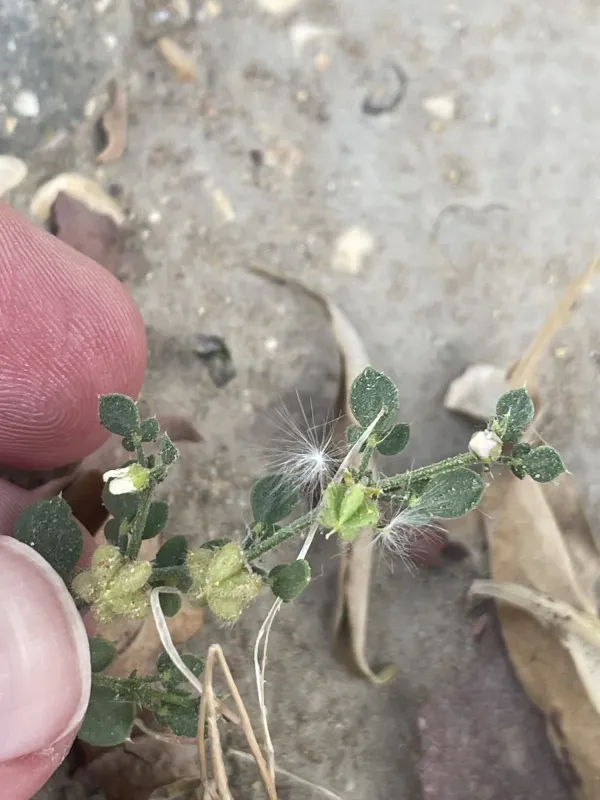
Description
Sowing dates
The sowing of Zygophyllum glutinosum is typically conducted during the autumn or early spring when soil moisture is naturally sufficient. The seeds require proper stratification to ensure optimal germination energy under managed agricultural conditions.
The seeds should be sown at a depth of 1–2 centimeters, as deeper placement may inhibit the emergence of seedlings. Maintaining appropriate stand density is crucial for ensuring that each plant has enough space for proper root and shoot development.
Commercial cultivation generally utilizes row sowing with a spacing of about 60 centimeters between rows. This configuration facilitates efficient weeding and other necessary maintenance tasks during the growing season.
Excessive soil moisture must be avoided during the germination phase, as stagnant water significantly increases the risk of seed decay. Controlled irrigation or reliance on seasonal precipitation is preferred for the best establishment results.
Agronomists suggest applying seed treatments to enhance field emergence rates. This practice is particularly beneficial when introducing the crop to new regions with suboptimal soil characteristics or varying environmental conditions.
Growing requirements
Zygophyllum glutinosum, belonging to the Zygophyllaceae family, is a highly adapted xerophyte. It excels in arid and semi-arid environments, displaying remarkable resilience to challenging soil conditions and limited water availability.
The plant thrives in well-drained, sandy, or rocky soils with a moderate to high mineral content. Its ability to tolerate salinity makes it a valuable candidate for the reclamation of degraded and marginal agricultural lands.
Climatic requirements focus on high light intensity and warm temperatures throughout the vegetation period. It is well-suited for regions experiencing significant diurnal temperature variations and low annual precipitation levels.
Due to its extensive root system, the plant has very low water requirements once established. Excessive irrigation should be strictly avoided, as it often disrupts the plant's physiological balance and encourages secondary infections.
Nutrient management should be moderate, as the species is adapted to nutrient-poor substrates. Over-fertilization, especially with nitrogen, can lead to excessive vegetative growth at the expense of overall stress tolerance and structural integrity.
Main diseases and pests
The primary threats to Zygophyllum glutinosum include fungal diseases triggered by poor drainage or overly humid conditions. Effective prevention involves ensuring adequate soil aeration and minimizing moisture accumulation around the base.
Insects like aphids or spider mites may pose a threat during phases of intense growth, especially if humidity levels are high. Regular scouting is recommended to identify early infestations and apply appropriate biological controls.
Powdery mildew may occur during seasons with unusually high rainfall. While rarely a major issue, timely intervention with selective fungicides can prevent further spread if the infection levels become significant.
Root rot is the most dangerous condition for this crop, often resulting from improper irrigation management. Periodic checking of the root health is necessary to ensure the plant maintains its vigor throughout the cycle.
Weed management remains an essential agricultural operation throughout the early stages of development. Manual or mechanical weeding between rows is critical to minimize resource competition and ensure the successful establishment of the crop.