
Zygophyllum morgsana
Zygophyllum morgsana
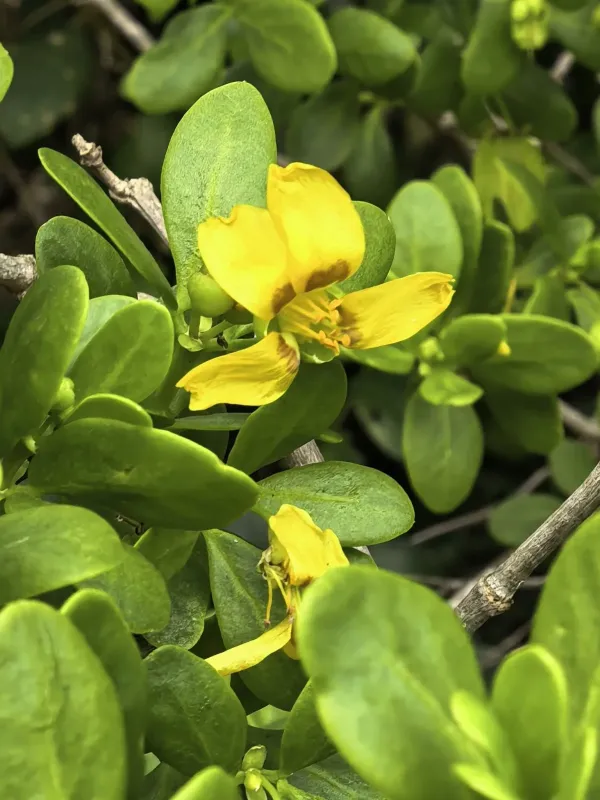
Description
Growing requirements
Zygophyllum morgsana is a perennial succulent shrub belonging to the Zygophyllaceae family. Known for its remarkable resilience, it is perfectly adapted to the harsh environmental conditions of arid regions, particularly in Southern Africa.
The species serves as a critical biological component in desert ecosystems, thriving in saline and gravelly soils. Its evolutionary development allows it to withstand high levels of sodium in the soil, which would typically inhibit the growth of standard agricultural crops.
Botany-wise, the plant is distinguished by fleshy, succulent leaves that optimize water storage. Its root system is extensive, penetrating deep soil horizons to access subsurface moisture reserves during the long dry seasons common in its native range.
Cultivation requirements prioritize full sun exposure and well-drained soil substrates. The species is highly sensitive to waterlogging, necessitating specific attention to soil aeration to maintain the health of the root collar and prevent developmental stagnation.
Economically, Zygophyllum morgsana is utilized primarily as a strategic fodder resource for livestock in desert climates. It maintains nutritional density even when traditional pasture grasses have withered, making it a valuable biological asset for sustainable grazing management.
Main diseases and pests
The primary threats to the cultivation of Zygophyllum morgsana include soil-borne pathogens and root rot, which are triggered by improper moisture management and lack of drainage.
Insect pests such as specialized desert beetles may cause localized damage to the succulent leaves, though the plant's chemical defenses often mitigate significant infestations.
Overgrazing poses a substantial risk to wild and managed populations, as the plant requires sufficient time to accumulate biomass after being consumed by ruminants.
Competition from invasive plant species is generally minimal due to Zygophyllum's dominance in arid, high-salinity niches, but should be monitored during the establishment phase.
Effective management requires controlled grazing intervals and strict adherence to irrigation protocols to avoid inducing stress through an excess of soil water.