
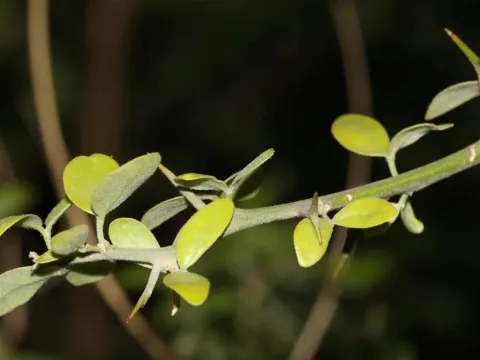
Balanites
Balanites
Propagation of Balanites is primarily achieved through seeds, which require scarification to break dormancy due to their hard endocarp. The best time for sowing is at the beginning of the rainy season to ensure sufficient moisture for seedling establishment.
What the section contains


Balanites
Seeds are sown at a depth of 3–5 cm in prepared nurseries or directly in the field. Spacing should be approximately 4–6 meters apart to allow for the full development of the canopy and root system as the tree matures.
Seed germination is relatively slow and requires consistent moisture during the early stages. Once established, the seedlings exhibit remarkable resilience even in harsh environmental conditions.
Vegetative propagation via cuttings is possible but less common than seed propagation. Regardless of the method, protecting young plants from herbivores is essential for plantation success.
Balanites, a member of the Zygophyllaceae family, is a slow-growing evergreen tree highly valued for its ability to thrive in arid climates.
Balanites is renowned for its exceptional drought tolerance, capable of surviving in extreme temperatures exceeding 45°C. It is perfectly adapted to the Sahelian and similar arid ecological zones.
The tree is versatile regarding soil types, performing well in sandy, rocky, and saline soils. The primary requirement is well-drained ground, as waterlogging is detrimental to its root health.
Full solar exposure is required for optimal growth. The plant is a light-demander and does not tolerate competition or shading from larger canopy trees in the early years.
Agricultural management is minimal, focusing mainly on pruning to maintain canopy health and facilitate harvest. Organic fertilization can accelerate growth rates in young orchards.
While the tree can survive on very low rainfall, supplemental irrigation during the first two years significantly improves survival rates and increases biomass production.
Fruit production usually begins 5–7 years after planting. The tree reaches its peak productivity between 10 and 20 years of age and remains productive for several decades.
A single mature tree can yield between 10 and 50 kg of fruits annually, depending on moisture availability. Fruits are valued for their edible pulp and, most importantly, their oil-rich kernels.
The oil extracted from Balanites seeds is high-quality and finds applications in cooking, cosmetics, and traditional medicine. It is a vital resource in rural economies.
The wood of the Balanites tree is dense, durable, and highly resistant to termites, making it a premium material for construction, furniture making, and tool handles.
Leaves and fruit pulp serve as valuable livestock feed, providing essential nutrients during the dry season when other forage sources are unavailable.
Balanites possesses high natural resistance to many pests due to its saponin content, which acts as a deterrent for many herbivorous insects and pathogens.
Young plants are susceptible to grazing by livestock and wild herbivores. Physical protection, such as fencing or tree guards, is mandatory during the initial establishment phase.
Fungal diseases are rare and usually only occur under conditions of excessive moisture or poor aeration. Proper sanitation and pruning help maintain tree health.
Some localized insect pests may affect the fruit, but they rarely threaten the overall yield of a well-maintained plantation. Pest outbreaks are typically manageable.
The greatest threat to the crop is not disease, but rather extreme climatic events or physical damage caused by animals if the trees are not properly protected.
Harvesting is traditionally done by hand once the fruits turn brown and begin to drop or are easily detached from the branches. Protective gear is recommended due to the sharp thorns on the branches.
The collected fruits are de-pulped, and the kernels are extracted for oil processing. Sun-drying the seeds before storage is critical to ensure a low moisture content.
Proper storage involves using ventilated containers to prevent mold growth. Stored seeds remain viable for oil extraction for extended periods if kept in cool, dry conditions.
Currently, harvest is labor-intensive, and no large-scale mechanization is widely used, though innovations are being explored to improve the efficiency of fruit collection.
Grading the fruits based on size and quality post-harvest ensures higher oil recovery rates during the cold-pressing process.