
Balanites maughamii
Balanites maughamii
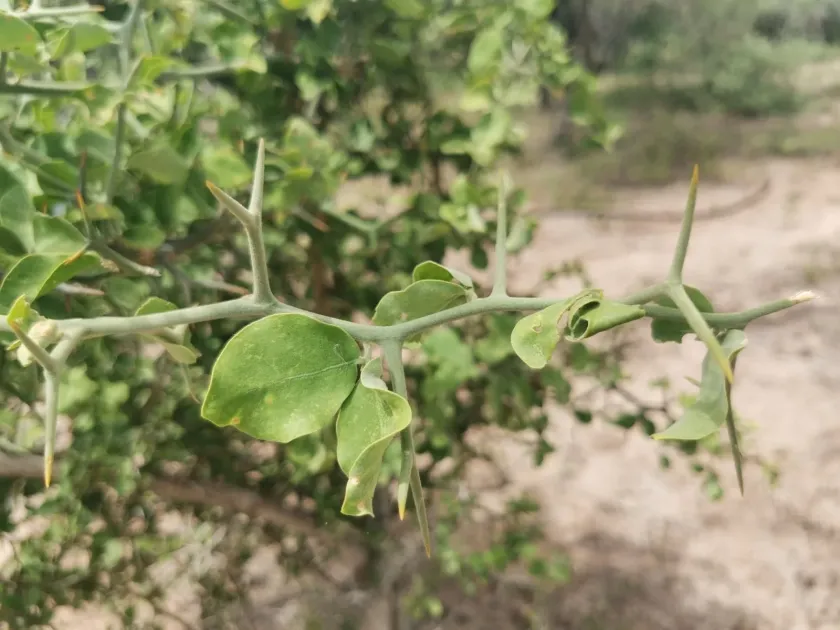
Description
Growing requirements
Balanites maughamii, belonging to the Zygophyllaceae family, is a deciduous tree native to the diverse landscapes of Southern and Eastern Africa. It is a highly resilient species known for its ability to thrive in harsh environments.
The tree exhibits specific botanical adaptations, including thorns for protection and a deep taproot system designed to extract water from arid soils. Its leaves are designed to conserve moisture, allowing the tree to survive intense heat.
For successful cultivation, well-drained soil types, such as sandy or gravelly loams, are essential. Stagnant water is detrimental to the development of the root system and must be strictly avoided in all planting designs.
The climate requirements revolve around high solar exposure and sustained temperatures. It is not frost-tolerant and requires a clear distinction between dry and wet seasons to maintain its natural growth cycle.
Economically, Balanites maughamii is prized for its oil-rich kernels. The oil has significant potential in the cosmetic industry due to its emollient properties, while the tree provides structural timber and traditional medicinal extracts.
Main diseases and pests
The primary threats to this species involve insect infestations that target the fruit, significantly reducing the viability of seed production.
Fungal pathogens may arise in nursery conditions if irrigation is poorly managed, potentially leading to root decay or stem rot in seedlings.
Wood-boring beetles can affect mature trees, particularly those weakened by extended environmental stressors, creating gaps in the structural integrity of the wood.
Herbivory remains a significant concern, as young shoots are highly attractive to local fauna, necessitating protective fencing for young plantations.
Maintaining a balanced ecosystem around the orchard is recommended to support natural predators that help manage potential pest populations effectively.