
Finger-leafed Rhoicissus
Rhoicissus digitata
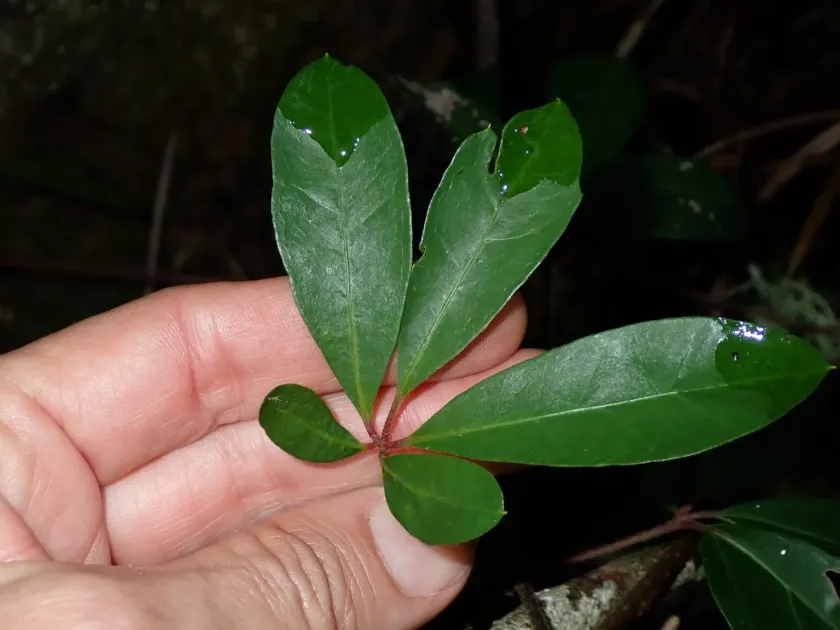
Description
Growing requirements
Rhoicissus digitata, commonly known as the finger-leafed rhoicissus, belongs to the Vitaceae family. This evergreen climber is native to the forests of South Africa, where it thrives as a vigorous vine climbing through the forest canopy.
In cultivation, this plant prefers bright, indirect sunlight. Excessive exposure to direct sun can lead to leaf scorching, while deep shade may cause the stems to become weak and leggy, reducing the plant's overall vigor.
The ideal temperature for optimal growth ranges between 18°C and 24°C. During the dormant winter season, temperatures should be kept slightly cooler, which helps the plant prepare for the next vigorous growth cycle in spring.
The soil requirements involve using a well-draining, nutrient-rich potting mix. A mixture of peat, loam, and coarse sand provides the necessary aeration and moisture retention that the root system requires for healthy development.
Watering should be managed consistently to keep the soil moist but never waterlogged. Providing proper drainage is essential to prevent root rot, and maintaining high humidity levels through misting is beneficial for the foliage.
Main diseases and pests
Spider mites represent a primary threat to this vine, particularly in indoor environments with low humidity. They feed on the underside of leaves, causing yellowing and eventual leaf drop if left untreated.
Scale insects are another common pest that attaches to stems and leaves, extracting sap and weakening the host plant. Manual removal combined with horticultural oil applications is usually effective.
Fungal issues, such as root rot, often occur due to poor drainage or overwatering. Maintaining a proper watering schedule and using high-quality substrates mitigates these risks effectively.
Powdery mildew can affect the foliage if air circulation is insufficient. Ensuring good ventilation around the plant is a critical cultural practice to prevent fungal growth.
Regular monitoring for early signs of infestation is recommended to maintain the plant's structural integrity. Using mild systemic treatments can protect the vine from recurring pest cycles.