
Rhoicissus revoilii
Rhoicissus revoilii
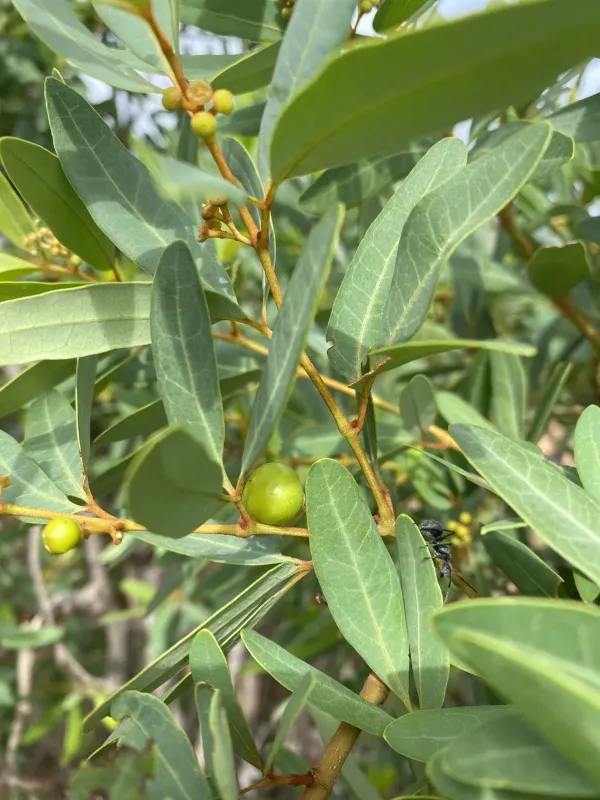
Description
Growing requirements
Rhoicissus revoilii is a woody, climbing plant species within the Vitaceae family, native to the tropical and subtropical regions of Eastern and Southern Africa. Known for its lush foliage and vining habit, it is widely appreciated in ornamental horticulture.
The plant thrives in warm, stable climates and requires temperatures between 18°C and 26°C. It is sensitive to frost, making it suitable primarily for greenhouse cultivation or indoor environments in temperate climate zones.
Soil requirements involve a well-draining, nutrient-rich substrate, ideally a mix of peat, bark, and perlite. The pH level should be maintained close to neutral to ensure the efficient uptake of essential microelements needed for leaf development.
Regarding moisture, this culture requires regular watering during the active growing season, allowing the top layer of the substrate to dry out between applications. High humidity is beneficial for the overall health of the leaves.
Pruning is an essential part of the agricultural management of Rhoicissus revoilii. Regular trimming helps control its vigorous growth, encourages branching, and prevents the stems from becoming sparse or leggy over time.
Main diseases and pests
Spider mites are the most common pest, especially in dry environments where the plant is kept. These pests typically congregate on the underside of the leaves, causing stippling and eventual yellowing of the foliage.
Scale insects can often be found along the stems, feeding on plant sap. Early identification and removal of infected branches or the use of horticultural oils are standard control measures for managing these infestations.
Root rot is a major threat linked to overwatering and inadequate drainage. If the root system stays saturated for too long, oxygen supply to the roots is cut off, causing rapid decay of the entire plant.
Fungal leaf spot diseases may appear if the plant is kept in conditions with high humidity and stagnant air. Proper ventilation and avoiding wetting the foliage during watering can significantly reduce these risks.
Nutrient deficiencies, particularly nitrogen and iron, can manifest as interveinal chlorosis. Maintaining a balanced fertilization schedule is crucial for preventing these physiological issues and sustaining healthy growth.