
Rhoicissus tridentata
Rhoicissus tridentata
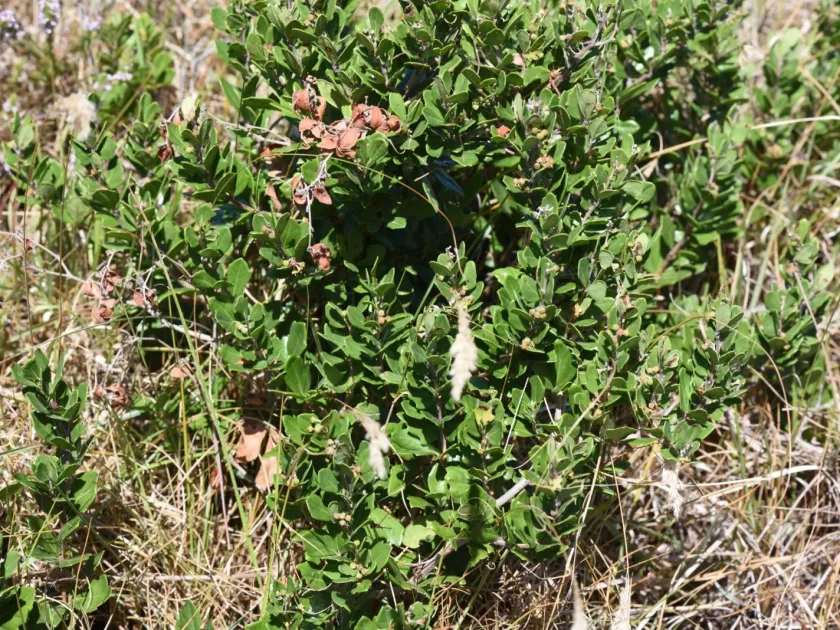
Description
Sowing dates
Propagation of Rhoicissus tridentata is primarily achieved through stem cuttings. Spring is the most favorable season for taking cuttings as the plant enters its active growth phase.
Cuttings should be taken from healthy stems containing at least two nodes. Removing the lower leaves allows for better rooting while keeping the upper leaves intact for photosynthesis.
For optimal results, place the cuttings in a moist mixture of peat and perlite. A temperature range between +22 and +25 degrees Celsius is essential for root development.
Covering the containers with clear plastic helps maintain humidity levels, which is crucial during the initial stages of root formation. Indirect light is preferred over direct sunlight.
Once roots are well-established, which typically occurs within a month, the plants should be carefully transplanted into larger pots to accommodate the expanding root system.
Growing requirements
Rhoicissus tridentata, a member of the Vitaceae family, is a woody vine native to South Africa. It is characterized by its trifoliate leaves and vigorous climbing habit.
The plant thrives in bright, indirect light. Placing it near an east-facing window provides sufficient illumination without the risk of scorching the foliage under harsh direct sun.
Soil requirements involve a well-draining yet fertile substrate. A standard mix for indoor vines consisting of loam, compost, and coarse sand provides the necessary structure and nutrients.
Watering should be consistent throughout the growing season, allowing the surface of the soil to dry slightly between sessions. Overwatering is the most common cause of failure in cultivation.
This species benefits from moderate humidity and regular misting, especially in heated indoor environments during the winter months when the air tends to become dry.
Main diseases and pests
Common pests include spider mites and mealybugs, which are often attracted by dry air conditions. Regular inspection of leaf axils and the undersides of leaves is recommended.
Scales can also infest stems, appearing as small brown bumps. If an infestation occurs, manual removal followed by the application of horticultural oil or insecticidal soap is required.
Root rot is a major threat caused by waterlogged soil. Ensuring that the pot has proper drainage holes and avoiding standing water in the saucer prevents this issue.
Leaf drop can be triggered by sudden temperature fluctuations or cold drafts. It is advisable to keep the plant away from doors and windows that are opened during cold weather.
Maintaining proper hygiene by pruning dead or yellowing leaves promotes better air circulation and reduces the likelihood of fungal infections within the plant canopy.