
Pipturus argenteus
Pipturus argenteus
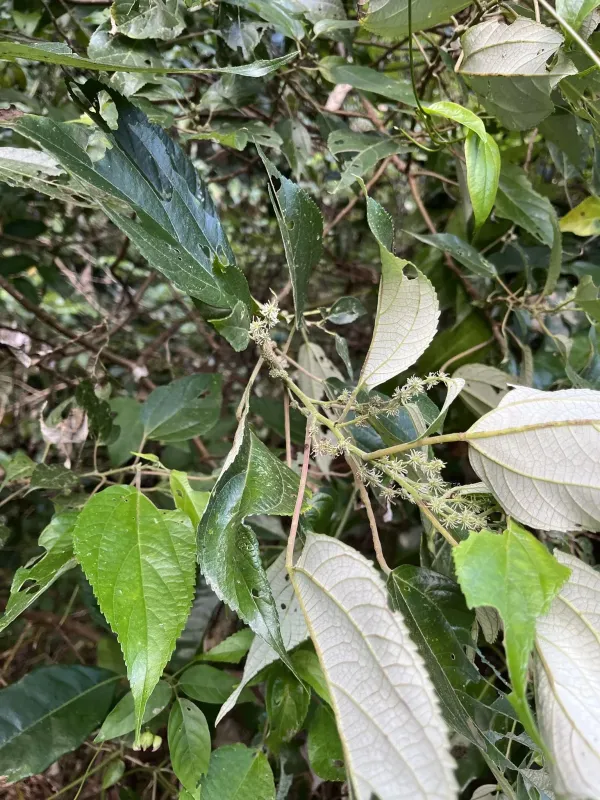
Description
Sowing dates
Pipturus argenteus is primarily propagated through seeds or vegetative cuttings. Seeds require a loose, well-draining substrate and high humidity to successfully germinate and establish initial roots.
Sowing should ideally occur during spring when temperatures remain consistently between 22 and 25 degrees Celsius. Ensuring stable warmth is essential for achieving a high germination rate in this species.
Vegetative propagation uses semi-hardwood cuttings planted in a peat-sand mix. This method is preferred for maintaining consistent fiber quality and specific characteristics across the plantation.
Applying root-promoting hormones can significantly increase the success rate of cuttings. Young plants must be kept in partial shade until their root systems are fully developed.
When transplanting into the field, maintain a spacing of 1.5 to 2 meters. This allows for adequate crown development and ensures sufficient air circulation for every plant on the plot.
Growing requirements
A member of the Urticaceae family, Pipturus argenteus thrives in tropical and subtropical regions. It demands high levels of atmospheric humidity and is extremely sensitive to frost.
The plant requires fertile, well-draining soil to prevent root rot. Waterlogging is the most common cause of crop failure in poorly managed fields, so adequate drainage is a non-negotiable requirement.
While tolerant of bright light, the species benefits from dappled sunlight or partial shade during its early stages of growth to prevent leaf scorching and excessive moisture loss.
Agronomic management includes regular irrigation, especially in dry seasons, and balanced fertilization. Nitrogen-rich fertilizers are particularly effective for encouraging the growth of the foliage and stem biomass.
Optimal growth occurs at temperatures between 18 and 28 degrees Celsius. Careful site selection is necessary to avoid areas prone to stagnant cold air or extreme weather fluctuations.
Yield
The primary economic value of Pipturus argenteus lies in its strong, durable bast fiber harvested from the bark. Yield is heavily dependent on the plant's age and the rigor of the pruning schedule.
Pruning is not only a harvesting method but also a vital agronomic practice that stimulates the growth of new, high-quality stems, thereby increasing long-term harvest yield.
The foliage is also utilized in traditional medicine, adding secondary value to the crop. The volume of leaf harvest can be significant under optimal, high-density cultivation conditions.
To maximize total yield, farmers should focus on maintaining a healthy canopy while preventing the stems from becoming overly lignified before harvest.
Projections for industrial yield indicate that once a plantation is fully established, it can provide consistent seasonal returns for several years with minimal replanting.
Main diseases and pests
Pipturus argenteus is susceptible to various leaf-chewing insects typical of tropical environments. Integrated pest management strategies are necessary to protect the plant's photosynthetic capacity.
Fungal infections, such as powdery mildew, are common during periods of excessive humidity. Improving airflow through regular pruning and strategic spacing is the best preventative measure.
Root-knot nematodes can pose a threat, particularly if the crop is grown in compacted or improperly treated soil. Crop rotation with non-host species is highly recommended.
Aphids and spider mites may appear during dry spells. Early detection is key, and systemic or organic insecticides should be used carefully to avoid harming beneficial insects in the area.
Maintaining a clean cultivation environment and promptly removing diseased plant parts are essential steps in preventing the spread of pathogens throughout the field.
Harvesting
The harvest of fiber involves carefully stripping the bark from the branches or main trunk. This is best achieved at the end of the active growth phase when the fibers have reached optimal maturity.
Once harvested, the bark is subjected to retting and cleaning to separate the high-quality fibers from the inner tissues. The final product is then dried and bundled for processing.
Leaf harvesting is performed manually to ensure the integrity of the plant tissues. This raw material is typically air-dried in well-ventilated, shaded facilities to maintain its medicinal quality.
Mechanical tools may be used to prune branches for bark collection, which increases efficiency and reduces the manual labor costs associated with large-scale plantations.
Proper storage post-harvest is critical; the fibers must be kept in a dry environment to prevent mold growth and ensure the durability of the end-product.