
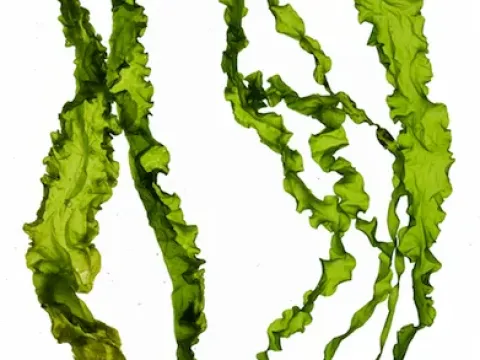
Ulva
Ulva
Ulva, commonly known as sea lettuce, belongs to the Ulvaceae family. It is a cosmopolitan genus of green algae that grows in a wide range of marine and estuarine environments, making it a highly adaptable candidate for commercial mariculture.
What the section contains


Ulva
The plant thrives in shallow, well-lit waters with a consistent supply of nutrients, primarily nitrogen and phosphorus. It is tolerant to varying levels of salinity and temperature, which allows it to be cultivated in diverse geographic locations.
Optimal growth occurs at temperatures ranging from 10°C to 25°C. For industrial production, Ulva requires a robust water circulation system to ensure that all parts of the thallus receive adequate nutrients and carbon dioxide for photosynthesis.
The cultivation medium can range from rocky intertidal areas to specialized offshore net structures or onshore tank systems. The ability of Ulva to grow rapidly in high-nutrient environments makes it an excellent choice for bioremediation in integrated multi-trophic aquaculture.
Maintenance involves monitoring water chemistry and ensuring the density of the biomass remains within the range that supports maximum growth rates without causing self-shading or oxygen depletion.
Ulva is characterized by high photosynthetic efficiency and rapid vegetative growth, leading to impressive yields. Under controlled conditions with optimal light and nutrient availability, the biomass can double in a very short period, sometimes within just a few days.
Yield is heavily influenced by the season and the availability of dissolved nutrients. In industrial settings, high-density cultivation in raceway ponds or floating nets allows for frequent harvests throughout the growing season.
The utility of Ulva is broad: it serves as a nutritious food source rich in vitamins, minerals, and dietary fiber. It is frequently processed into flakes or powders for human consumption, often acting as a natural additive in various cuisines.
Agricultural uses include its incorporation into animal feed, particularly for poultry and fish. Its high protein content and bioactive compounds help improve growth performance and bolster the immune systems of livestock.
Furthermore, the polysaccharides extracted from Ulva are highly valued in the pharmaceutical and cosmetic industries for their moisturizing, antioxidant, and tissue-regenerative properties.
One of the main challenges in Ulva cultivation is the overgrowth of epiphytes, which compete for light and nutrients. Keeping the cultivation environment clean is vital to ensure that the primary crop is not smothered by unwanted algal species.
Bacterial diseases often appear as patches of bleaching on the thallus. These infections are usually triggered by environmental stress, such as sudden temperature spikes, water stagnation, or extreme changes in salinity.
Pests, such as various small crustaceans (amphipods) and gastropods, can cause significant damage by feeding on the tender fronds. Integrated pest management strategies are necessary to maintain crop health without using harsh chemicals.
Pollution from heavy metals or herbicide runoff can negatively impact product safety, as Ulva efficiently absorbs substances from the surrounding water. Strict water quality monitoring is required to prevent contamination of the final harvest.
Good agricultural practices, such as maintaining optimal stocking densities and regularly cleaning cultivation infrastructure, are key to preventing disease outbreaks and ensuring consistent production levels.
Harvesting Ulva is typically performed using mechanized systems that scoop or pump the seaweed from the water. Partial harvesting is a common technique, where only a portion of the biomass is removed, allowing the remaining plants to grow back rapidly.
Post-harvest processing is critical due to the high moisture and nitrogen content of the seaweed, which makes it prone to rapid decomposition. The biomass must be washed, drained, and dried or frozen immediately after collection.
Timing the harvest is essential for quality control. Harvesting during the peak of the growth phase ensures the highest concentrations of desired vitamins and proteins, providing the best value for food or industrial applications.
Logistics must be streamlined to move the raw material from the sea to the processing facility as quickly as possible to prevent spoilage. This ensures the integrity of the product and meets safety standards for food-grade seaweed.
Sustainable harvesting practices are essential for long-term production. By managing the rate of biomass removal, farmers can ensure that the local ecosystem remains balanced and that the Ulva population can continue to thrive in future cycles.