
Sea lettuce
Ulva rigida
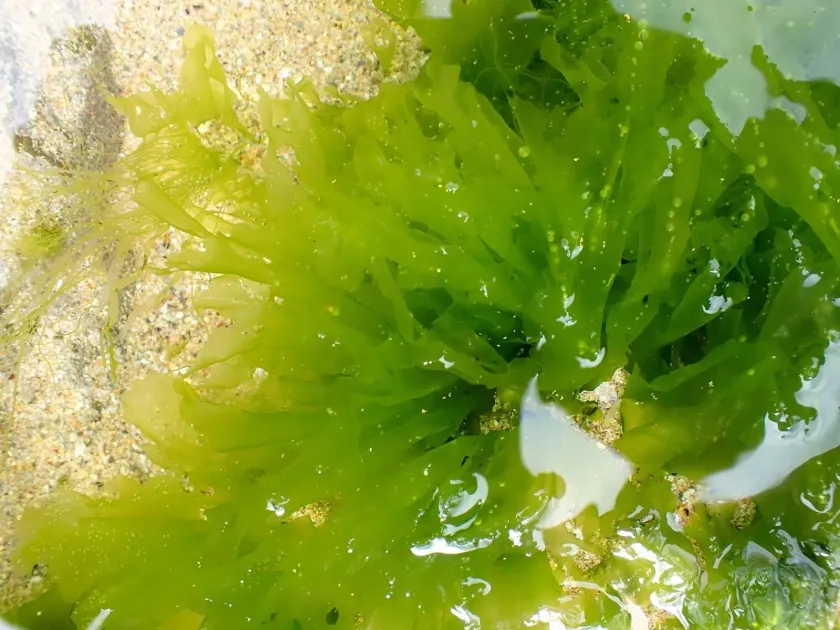
Description
Sowing dates
Sea lettuce is propagated by using spores or fragments of the thallus, which are attached to artificial substrates such as nets, ropes, or mesh containers.
Cultivation cycles are initiated by deploying these materials into marine environments or controlled land-based tank systems with high nutrient flow.
The timing of planting is crucial and usually aligns with seasons where water temperatures remain stable, typically ranging from 15 to 22 degrees Celsius.
Proper density management during the initial seeding stage is essential to ensure that light penetrates all layers, preventing shading and decay.
In modern aquaculture setups, recirculating systems are frequently used to control environmental parameters throughout the year for continuous production.
Growing requirements
Ulva rigida is a member of the Ulvaceae family, known for its flat, leaf-like thallus and its high adaptability to varying marine environments.
The crop requires significant light intensity for optimal photosynthesis, making shallow water or high-intensity artificial lighting necessary for success.
Water quality is paramount; the algae thrives in nutrient-rich conditions, specifically utilizing high levels of nitrates and phosphates present in the environment.
Effective air circulation and water movement are required to prevent stagnant zones, which facilitate gas exchange and prevent the accumulation of toxic waste products.
Environmental stability regarding salinity and pH levels is strictly maintained, as extreme fluctuations can trigger bleaching and structural degradation.
Yield
The yield potential of Ulva rigida is remarkably high, often surpassing terrestrial crop production due to rapid biomass turnover in favorable conditions.
Industrial applications include the production of biofuels, livestock feed additives, and organic soil conditioners used in broader agricultural practices.
Nutraceutical and cosmetic industries value the seaweed for its rich content of sulfated polysaccharides, antioxidants, and essential trace minerals.
As a sustainable crop, sea lettuce plays a vital role in integrated multitrophic aquaculture by naturally filtering and cleaning wastewater.
Consistent harvest cycles and nutritional enrichment allow producers to maximize revenue while providing high-quality raw material for various markets.
Main diseases and pests
Pathogenic fungi and bacteria pose the greatest threat to biomass, especially when water quality parameters deviate from the optimal range.
Epiphytic algae can rapidly colonize the surface of the sea lettuce, competing for light and nutrients, which eventually limits the overall harvest yield.
Small marine grazers, such as amphipods, can decimate plantations if their populations are not monitored and kept in check through biological or mechanical means.
Excessive heavy metal concentrations in the water can lead to contaminated crops, rendering them unsuitable for human consumption or animal feed.
Abrupt changes in environmental chemistry can cause cellular stress, leading to significant die-offs within the commercial culture systems.
Harvesting
Harvesting is typically conducted through mechanical mowing of the seaweed mats or by lifting the cultivation racks out of the water for collection.
Timely harvesting is essential to collect the biomass when its nutrient concentration and overall health are at their peak for commercial processing.
Post-harvest procedures include thorough rinsing to remove sand, sea salt, and any incidental marine organisms entangled within the fronds.
The raw biomass is highly perishable and must be processed quickly using drying, freezing, or pasteurization techniques to preserve its biological integrity.
Efficient supply chain management, from the sea to the processing facility, is critical to ensuring the longevity and quality of the final commercial product.