
Ulvaria
Ulvaria
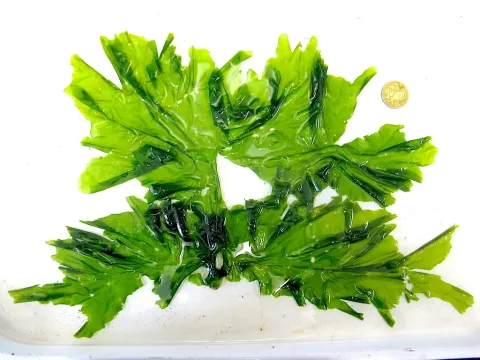
Ulvaria is a genus of green marine macroalgae within the Ulvaceae family. These algae are known for their thin, sheet-like thallus, which is composed of a single cell layer, making them a significant subject of study in phycology.
What the section contains

Ulvaria
The distribution of Ulvaria is primarily concentrated in cool, temperate, and boreal waters. They typically attach to rocky substrates in the intertidal or subtidal zones using a holdfast, which anchors them firmly against tidal currents.
Growth requirements for Ulvaria include specific salinity levels and high water transparency to facilitate photosynthesis. They are highly sensitive to changes in nitrogen and phosphorus concentrations, which often act as limiting factors in their natural development.
Climate conditions play a crucial role in the lifecycle of Ulvaria. They thrive in moderate temperatures and are well-adapted to the seasonal light fluctuations of northern marine ecosystems.
Optimal environmental management in cultivation systems involves maintaining consistent water flow to ensure proper oxygenation and nutrient distribution. This supports the vigorous expansion of the algal biomass during the growing season.
Harvesting Ulvaria for commercial use has gained interest due to its nutritional value. The algae are rich in essential amino acids, vitamins, and minerals, making them suitable for both human consumption and animal feed supplementation.
The yield of Ulvaria is highly dependent on environmental variables and harvesting frequency. Sustainable management practices ensure that natural populations remain stable while providing consistent supply for industrial processing.
After collection, the biomass is typically processed through dehydration or extraction methods to preserve its bio-active compounds. These extracts are increasingly utilized in the pharmaceutical and cosmetic industries.
In the agricultural sector, Ulvaria-based products serve as efficient bio-stimulants, improving soil fertility and plant growth when applied as liquid fertilizers or soil amendments.
Integrated Multi-Trophic Aquaculture (IMTA) systems represent the future of Ulvaria farming. By co-culturing these algae with fish or shellfish, producers can create a circular system that captures nitrogen waste while yielding high-quality seaweed crops.
Eutrophication is the primary threat to Ulvaria populations. Excess nutrient runoff from land-based sources causes blooms of competing species and creates hypoxic conditions that are detrimental to the health of the algal thallus.
Epiphytic organisms, including various bacteria and fungi, frequently infest the surface of Ulvaria. These parasites can block light absorption and lead to tissue degradation and premature death of the seaweed.
Temperature anomalies caused by climate change are forcing shifts in the traditional range of Ulvaria. As marine environments warm, the geographical extent of suitable habitats for these cold-water-adapted species is gradually shrinking.
Marine herbivores, particularly sea urchins and gastropods, pose a constant threat to cultivation sites. Controlling these populations is essential for maintaining high-quality harvests in controlled aquaculture settings.
Pollution from heavy metals and industrial toxins can accumulate within the tissues of Ulvaria. Due to their high filtration capacity, these algae must be monitored strictly to ensure the safety of the final product for food and feed applications.