
White cattail
Typha x glauca Godr.
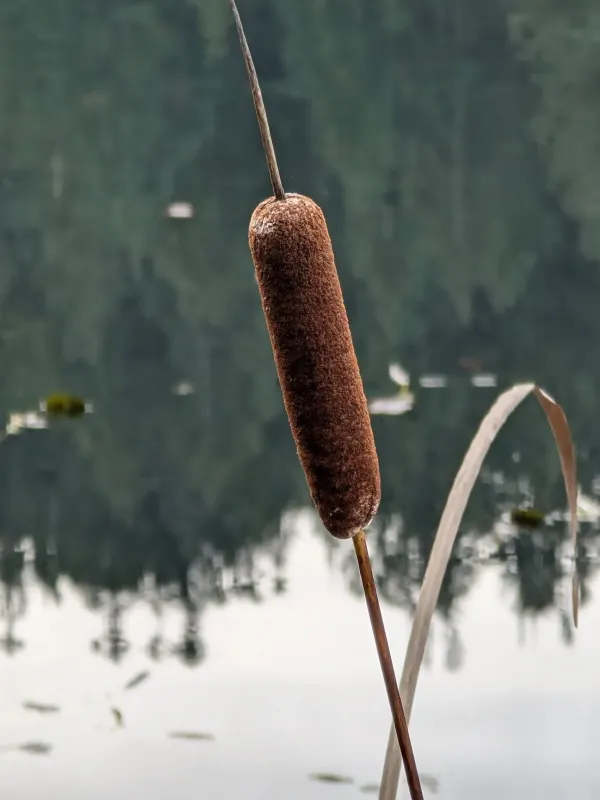
Description
Growing requirements
White cattail (Typha x glauca) is a hybrid species resulting from the cross between Typha latifolia and Typha angustifolia. It is a robust, perennial aquatic plant belonging to the Typhaceae family, well-adapted to wetland environments.
The plant thrives in shallow waters, marshes, and riparian zones. Optimal growth occurs in areas with water depths ranging from 0.2 to 1 meter, where the soil consists of nutrient-rich silt, clay, or organic peat deposits.
As a highly productive hydrophyte, it requires significant solar exposure for efficient photosynthesis. The ideal climate for this culture is temperate to warm, as it exhibits high resilience to seasonal fluctuations in water level and temperature.
Cultivation requires careful management of the water environment. In artificial setups, ensuring stable nutrient availability and controlling the flow rate of the water body are essential for maximizing the rate of biomass accumulation.
The species displays strong vegetative vigor, spreading rapidly through rhizomes. This makes it an aggressive colonizer, which is advantageous for quick establishment but necessitates periodic management to prevent it from outcompeting other species in controlled areas.
Yield
White cattail is recognized as a high-potential crop for biomass production. Its stalks and leaves are harvested for use in the pulp and paper industry, offering a sustainable source of cellulose fibers.
The plant plays a critical role in phytoremediation, specifically in treating municipal and agricultural wastewater. Its extensive root system absorbs excess nutrients and heavy metals, effectively cleaning the water before it leaves the wetland system.
Energy production is another key utilization area. Dried cattail biomass can be processed into fuel briquettes or pellets, serving as a renewable solid biofuel source with a relatively high heat value.
In rural economies, harvested leaves are traditionally used for weaving mats, baskets, and other handicrafts due to their durability and water-resistant properties. It is also used as a supplementary material in green construction projects.
Under optimal conditions, the yield of dry biomass can reach significant levels, often ranging between 30 and 50 metric tons per hectare per year, making it a viable crop for large-scale bioenergy and industrial operations.
Main diseases and pests
The primary diseases affecting Typha x glauca are fungal infections that flourish in stagnant water conditions. Rust and leaf spot pathogens are common, often leading to necrosis of the foliage and reducing the quality of the harvested fiber.
Insect pests include various species of moths and beetles that bore into the stems or feed on the inflorescences. While these rarely cause complete crop failure, localized infestations can significantly decrease the total yield of high-quality biomass.
Environmental stress, such as prolonged drought or contamination by toxic substances, can weaken the rhizome system, making the stand more vulnerable to secondary infections and opportunistic pathogens.
To maintain a healthy crop, growers focus on cultural practices such as regular harvesting. Removing old growth prevents the buildup of organic debris, which otherwise creates a breeding ground for pests and pathogens.
Biological and mechanical control methods are preferred over chemical interventions, given the plant's role in water purification. Maintaining the right plant density is the most effective strategy to ensure long-term stand vitality.