
Jaborosa runcinata
Jaborosa runcinata
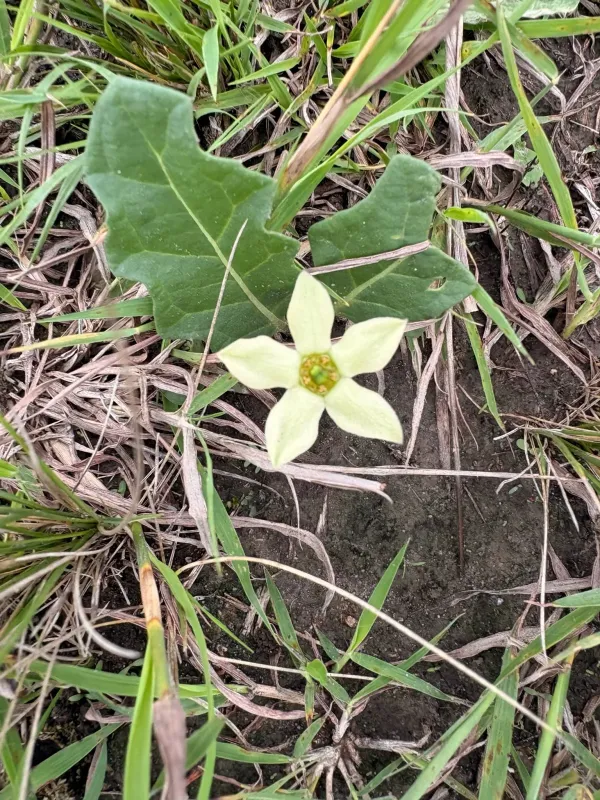
Description
Growing requirements
Jaborosa runcinata is a perennial herbaceous plant belonging to the Solanaceae family. It is distinct for its creeping rhizomatous habit, which allows the plant to form dense colonies within its natural environment.
The species originates from South America, with its primary distribution range found in Argentina and Uruguay. It thrives in open, sunny habitats that provide adequate drainage, typically found in temperate grassland or coastal areas.
Soil requirements for optimal growth include light-textured, sandy loam substrates that are rich in organic matter. Proper soil aeration and drainage are essential to prevent the accumulation of moisture, which could harm the rhizome system.
The plant requires a temperate climate to complete its full life cycle successfully. While it is adapted to fluctuating temperatures, severe winter frost may pose a risk to the underground organs unless the soil provides sufficient insulation.
Its primary use is currently categorized under specialized botanical and pharmacological research. The plant's ability to synthesize complex compounds makes it a subject of interest for phytochemical analysis, while its aesthetic form allows for niche horticultural use.
Main diseases and pests
Like many other members of the Solanaceae family, this plant is vulnerable to common pests such as aphids and leaf-eating beetles. Monitoring the foliage during the peak growing season is crucial to prevent widespread damage.
Fungal pathogens, particularly those causing root rot or foliar blight, represent a significant threat in high-humidity conditions. Maintaining optimal spacing and ensuring good airflow between plants is the best strategy for disease prevention in a controlled field setting.