
Jaborosa integrifolia
Jaborosa integrifolia
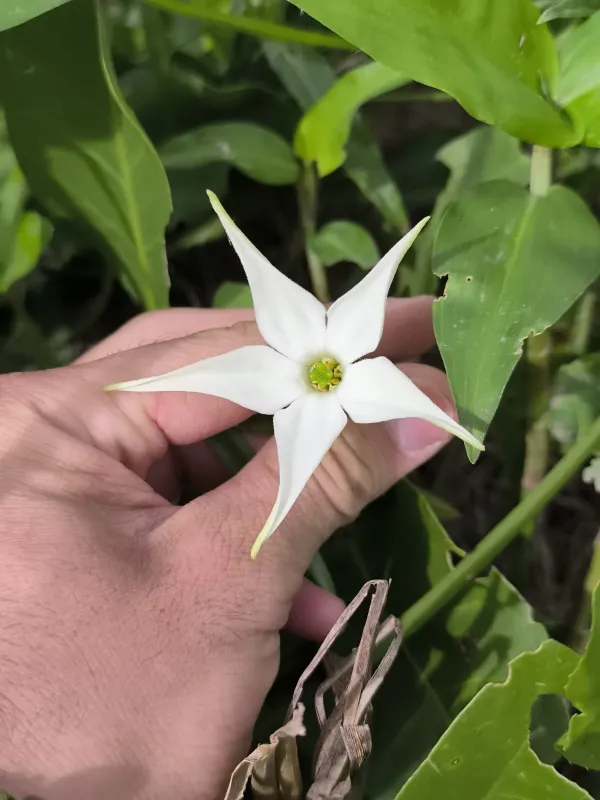
Description
Growing requirements
Jaborosa integrifolia is a perennial herbaceous plant belonging to the Solanaceae family, known for its creeping habit and unique floral structure.
The species originates from South America, specifically coastal regions of Argentina and Uruguay, where it thrives in sandy, well-draining environments.
Botanically, it is distinguished by its extensive rhizomatous root system, which allows the plant to form dense clusters and spread effectively across suitable habitats.
Optimal cultivation requires sandy or loamy, well-aerated soil conditions, ensuring that the root system is protected from waterlogging and excessive moisture.
The plant demonstrates a preference for full sun exposure, although it maintains sufficient vigor in partial shade provided that light intensity remains relatively high.
Main diseases and pests
Common pests affecting Jaborosa integrifolia include spider mites and aphids, which frequently target the soft leaf tissue during the primary growth phase.
Fungal pathogens represent a major concern, particularly root rot, which typically develops in poorly drained soils or during periods of prolonged saturation.
Slugs and snails can also pose a significant threat to young plants, potentially causing extensive defoliation if not managed through physical barriers or baits.
Agronomic management involves regular monitoring of the foliage and root zone to identify early signs of stress or infestation by common solanaceous pests.
Implementing a strict irrigation schedule and maintaining optimal soil aeration are the most effective prophylactic measures against both pests and soil-borne diseases.