
Chalice vine
Solandra maxima
Description
Growing requirements
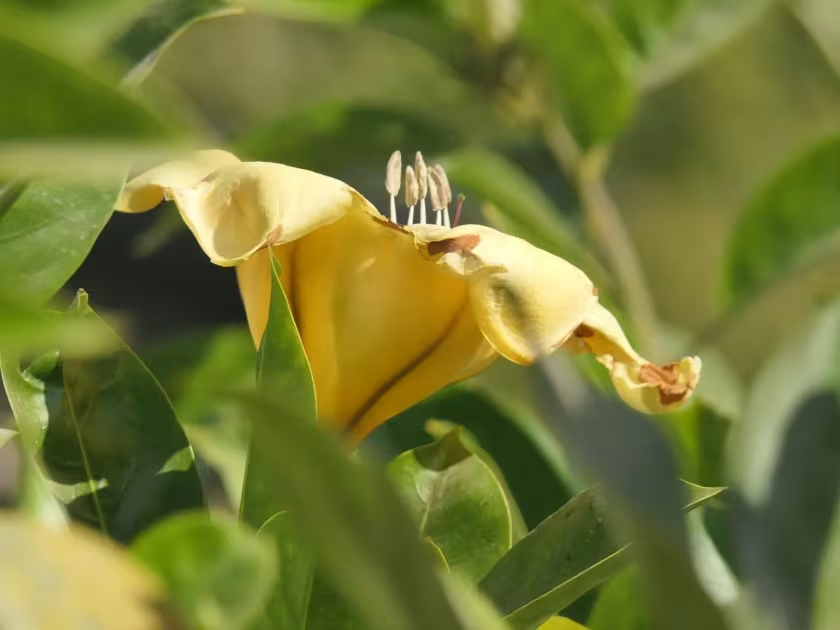
Solandra maxima, widely known as the Chalice Vine or Cup of Gold, is a vigorous woody climber belonging to the Solanaceae family. Originating from the tropical regions of Mexico and Central America, it is renowned for its massive, fragrant, trumpet-shaped flowers.
This plant thrives in frost-free climates and requires full sunlight to ensure healthy growth and profuse flowering. In cooler regions, it must be grown in greenhouses or as a container plant that is moved indoors during the winter months to avoid damage from low temperatures.
The ideal growing medium is a rich, well-draining potting mix. It prefers a slightly acidic to neutral soil pH. When planting in pots, ensure the container has generous drainage holes to prevent root rot, which is a common issue for this species in stagnant conditions.
Cultural practices include regular, moderate watering during the growing season and periodic fertilization with high-potassium plant food to support flower production. Pruning is essential; it should be performed annually after the flowering period to manage its aggressive, climbing nature.
In terms of usage, the Chalice Vine is highly valued in ornamental horticulture for its dramatic visual impact. It is commonly trained over pergolas, large trellises, or walls in tropical and subtropical gardens to create a lush, exotic atmosphere.
Main diseases and pests
The primary pests affecting Solandra maxima include spider mites, aphids, and scale insects, which tend to infest the plant in warm, dry environments.
Mealybugs can also pose a significant threat, hiding in the junctions of stems and leaves, making them difficult to detect until a heavy infestation occurs.
Fungal issues, such as powdery mildew, may occur if the plant is grown in areas with poor air circulation or excessive humidity during the night.
Integrated pest management, including the use of neem oil or insecticidal soaps, is often effective for minor infestations of these sucking insects.
Root rot caused by overwatering remains the most critical health issue, necessitating a careful balance of moisture and adequate soil aeration for long-term survival.