
Solanum alternatopinnatum
Solanum alternatopinnatum
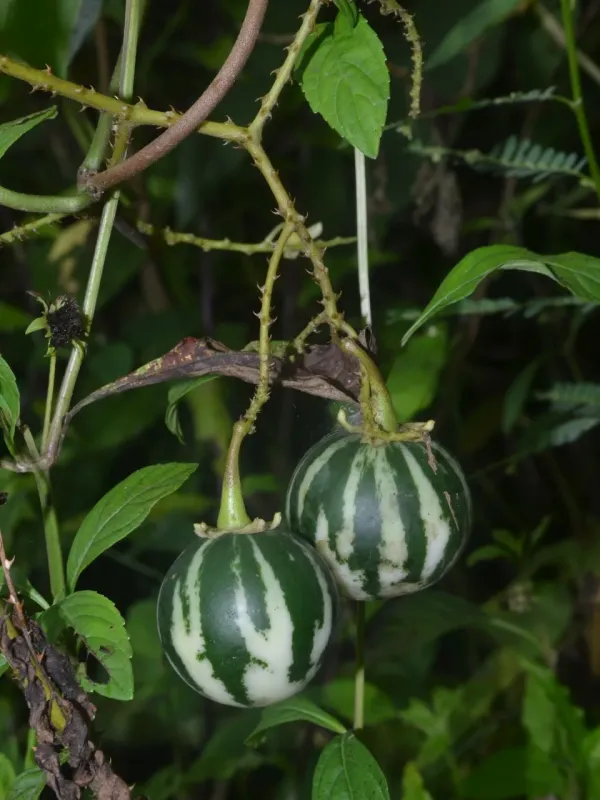
Description
Growing requirements
Solanum alternatopinnatum is a botanical species belonging to the diverse Solanaceae family. Originating from the varied landscapes of South America, this plant is well-adapted to tropical and subtropical environments, requiring specific light and moisture conditions to thrive in an agricultural setting.
The plant thrives in well-drained, nutrient-rich soils that possess a balanced pH level, typically ranging from slightly acidic to neutral. High organic matter content within the growing medium is essential to support the vegetative vigor and ensure the development of a robust and healthy root system.
Botanically, this species is identified by its alternate leaf arrangement and pinnate structures, which distinguish it within the Solanum genus. The stem structure is semi-woody, providing enough stability to support the foliage while the plant undergoes its primary seasonal growth phases.
Climatic requirements focus on warmth and consistent ambient temperatures, ideally between 20 and 25 degrees Celsius. As a frost-sensitive plant, it is best suited for greenhouse environments or regions where the climate remains stable throughout the entire duration of its growth cycle.
Standard agrotechnical practices for this crop involve precise moisture management, as excessive water retention can be detrimental to the plant's long-term health. Regular spacing and adequate light penetration are critical to maintain the plant's structural integrity and facilitate optimal photosynthetic rates.
Main diseases and pests
The primary threats to Solanum alternatopinnatum include common fungal pathogens like Phytophthora and Alternaria. These diseases typically manifest during periods of high humidity and restricted airflow, necessitating a preventative approach involving fungicides and appropriate cultural management.
Insect pests represent a significant challenge, with the Colorado potato beetle being a major threat that can rapidly defoliate plants. Integrated pest management strategies, including the rotation of chemical agents, are recommended to maintain population control and prevent the development of pesticide resistance.
Spider mites are a common concern in greenhouse cultivation, particularly when humidity levels drop below optimal thresholds. Frequent monitoring and the application of suitable acaricides are necessary to prevent severe damage to the leaves and preserve the plant's overall photosynthetic capacity.
Viral pathogens, often transmitted by aphid vectors, present a risk to the plant's structural stability and productivity. Implementing strict insect control programs is essential to prevent the spread of virus-like symptoms that can lead to stunted growth and total yield loss.
Bacterial diseases often enter the plant through wounds or stressed tissues, particularly after cultivation operations. Maintaining plant health, ensuring proper hygiene for all agricultural tools, and avoiding environmental stress are key practices for preventing the spread of bacterial infections.