
Solanum ahanhuiri
Solanum ahanhuiri
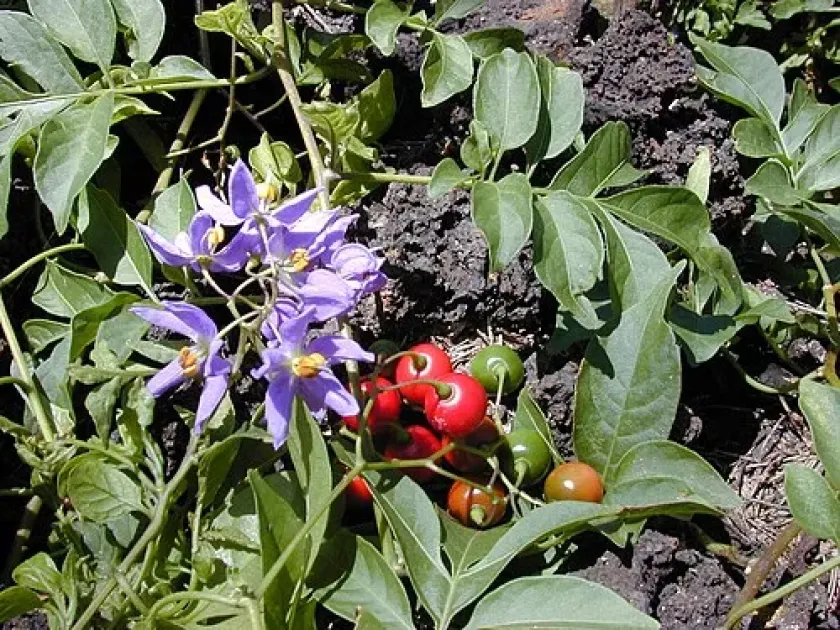
Description
Growing requirements
Solanum ahanhuiri is a wild tuber-bearing species belonging to the Solanaceae family. Native to the high-altitude regions of the Andes, this plant has evolved to survive in some of the most challenging environments for agriculture.
The botanical structure of this species is adapted for survival in high-UV, low-temperature conditions. It typically produces small, hardy tubers that contain high levels of dry matter, making it a focus for genetic research into potato resilience.
In terms of growth requirements, this species favors well-drained, porous soils with a slightly acidic profile. It is highly intolerant of waterlogged conditions, as the tubers and root systems are susceptible to rot when moisture is trapped for extended periods.
The climate preference for Solanum ahanhuiri includes distinct diurnal temperature shifts and high solar radiation. It thrives in mountain air, where its natural physiological adaptations prevent excessive transpiration and thermal stress.
Horticultural practices for this species focus primarily on preservation and genetic utilization. Breeders use this wild relative to introgress traits such as cold tolerance and disease resistance into commercially viable potato cultivars.
Main diseases and pests
Like other members of the nightshade family, Solanum ahanhuiri is vulnerable to fungal pathogens such as late blight (Phytophthora infestans). Proper ventilation and careful moisture control are essential to preventing outbreaks in cultivated collections.
Common pests include aphids, which serve as vectors for various plant viruses, and soil-borne nematodes that target the tubers. Maintaining strict quarantine and hygiene standards is critical to preserving the health of these plants.
Weed management is a vital aspect of growing this wild species, as its slow early growth makes it susceptible to competition for light and nutrients. Regular cultivation or careful weeding is necessary during the establishment phase.
The species possesses unique chemical defenses that protect it against several herbivore species. These biochemical mechanisms are currently being studied to understand how to transfer such natural resistance to common crops.
Environmental stress, if coupled with poor soil management, can exacerbate the impact of common pathogens. Providing a stable, high-altitude-simulated environment is the best protection against typical agricultural threats for this species.