
Solandra grandiflora
Solandra grandiflora
Description
Growing requirements
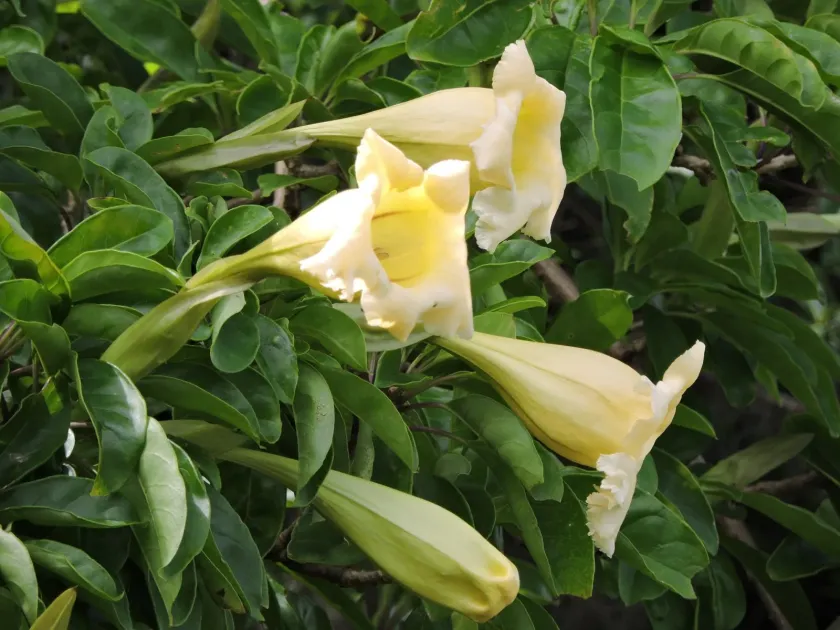
Solandra grandiflora, commonly known as the cup of gold vine, is a robust evergreen climbing plant belonging to the Solanaceae family. Originating from tropical regions of the Americas, this species is prized for its massive, fragrant, goblet-shaped flowers.
The plant thrives in warm, tropical climates and requires high humidity to perform optimally. It is highly sensitive to frost and freezing temperatures, which necessitates greenhouse cultivation or container gardening in cooler climate zones.
Rich, fertile, and well-draining soil is essential for the healthy growth of this vine. A mixture of loam, compost, and coarse sand provides the necessary structure and nutrients for the plant's aggressive root system.
Direct sunlight or bright filtered light is required for at least several hours a day to stimulate flowering. Without adequate light, the plant will become spindly, and its ability to produce the iconic golden blooms will be severely diminished.
Structural support is critical for managing this vigorous grower. Trellises, sturdy walls, or pergolas are recommended to accommodate the vine's long, woody stems, which can extend significantly if left unpruned during the growing season.
Main diseases and pests
Spider mites are the most persistent pest for Solandra grandiflora, especially in indoor environments with low humidity. Regular misting and routine inspections of the leaf undersides are necessary to detect early infestations.
Scale insects can attach themselves to the stems and branches, draining the plant's vitality over time. Manual removal followed by horticultural oil applications is an effective strategy for managing these stubborn pests.
Root rot is a common physiological threat caused by overwatering or poor drainage. Ensuring the potting medium remains moist but not waterlogged is the primary preventative measure for this condition.
Powdery mildew may develop if the foliage remains damp for prolonged periods in poorly ventilated conditions. Improving air circulation around the canopy helps reduce the humidity trapped within the dense leaf clusters.
Aphids occasionally target the soft, newly emerged shoots in early spring. If an outbreak occurs, gentle soap-based sprays are usually sufficient to clear the infestation without damaging the plant's delicate floral tissues.