
Solandra guttata
Solandra guttata
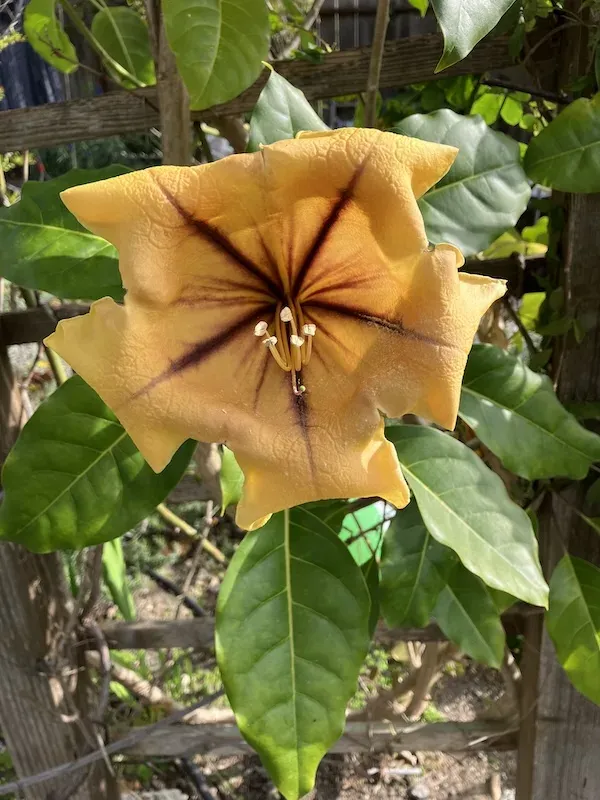
Description
Sowing dates
Propagating Solandra guttata from seeds requires maintaining a stable temperature between 20–25 degrees Celsius. Sowing is typically performed in late winter using a loose, nutrient-rich substrate to ensure optimal germination.
To improve germination rates, seeds should be pre-soaked in growth stimulants. Seed trays must be covered with plastic film to maintain the high humidity levels necessary for this tropical species.
Germination is often irregular and can take several weeks. Once the seedlings develop two true leaves, they should be carefully transplanted into individual pots with high-quality drainage material.
Cuttings are considered the most efficient propagation method for professional cultivation. Semi-hardwood cuttings should be placed in a sand-peat mixture with bottom heat to promote rapid root development during the summer season.
After successful rooting, young plants require a gradual transition to direct sunlight and outdoor conditions. Only transfer to permanent pots or greenhouse sites once the root system is sufficiently developed.
Growing requirements
Solandra guttata is a robust evergreen vine belonging to the Solanaceae family. Originating from Mexico, this species is highly adapted to tropical environments and requires significant heat to thrive.
The crop demands fertile, well-draining soils with a neutral pH level. Proper drainage is critical; waterlogged soil can quickly lead to root rot, which is a major physiological threat to this plant.
Exposure to full sunlight is essential for healthy growth and prolific flowering. In temperate regions, it is mainly grown in greenhouses or as a container plant that must be moved indoors before the first frost.
During the active growing season, consistent irrigation and a balanced fertilizer regimen are necessary to support its vigorous vegetative growth. Nutritional deficiencies will immediately manifest as chlorosis or stunted leaf development.
Pruning is a mandatory agronomic practice for managing the plant's size. Regular trimming encourages lateral branching and helps maintain the desired shape while preventing the vine from becoming uncontrollably dense.
Main diseases and pests
Spider mites are the most persistent pests for Solandra guttata, especially in indoor environments with low humidity. Regular inspections and the use of systemic acaricides are necessary to keep infestations under control.
Whiteflies and aphids can pose a significant threat in greenhouse settings. Implementing integrated pest management, including biological controls or targeted insecticides, is recommended for long-term health.
Powdery mildew is a common fungal issue caused by poor air circulation and high humidity. Improving ventilation and maintaining proper plant spacing are effective preventative measures against this disease.
Root rot is often the result of improper watering practices or heavy, non-porous soil mixtures. Treatment involves removing decayed roots, applying copper-based fungicides, and repotting in sterile, well-draining soil.
Viral infections can lead to leaf mosaic and growth inhibition. Since there is no cure for systemic plant viruses, early identification and the immediate removal of infected plant material are crucial to protect the rest of the collection.