
Scopolia carniolica
Scopolia carniolica
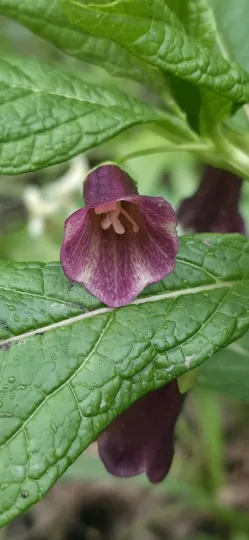
Description
Growing requirements
Scopolia carniolica is a perennial herbaceous plant belonging to the Solanaceae family, widely recognized for its production of tropane alkaloids, including hyoscyamine and scopolamine.
This species is native to mountainous regions of Central and Southeastern Europe, where it thrives in humid, shady forests rich in leaf litter and organic matter.
When cultivating this plant, it is essential to mimic its natural forest habitat by providing well-drained, humus-rich soil that retains moisture without becoming waterlogged.
The plant demonstrates a strong preference for partial shade; prolonged exposure to direct sunlight leads to leaf scorching and a significant decrease in the active pharmaceutical content.
Optimal growth occurs in cool to moderate climates, where temperatures remain consistently balanced, allowing the plant to develop its expansive rhizome system, which is the primary source of medicinal extracts.
Main diseases and pests
The health of Scopolia carniolica is frequently threatened by soil-borne fungal pathogens, particularly root rot, which occurs when soil drainage is insufficient.
Gastropods such as slugs and snails are significant pests, often consuming the foliage and causing aesthetic and physiological damage to the crop.
Aphids can cause stress by sucking plant juices, which may lead to stunted growth and increase the susceptibility of the plant to secondary infections.
Viral diseases represent a serious risk, often transmitted by insect vectors, which necessitates strict monitoring and the control of populations of potential carriers.
Standard agrotechnical control involves maintaining clean, weed-free rows and ensuring adequate spacing to promote airflow, thereby reducing the prevalence of humidity-related pathogens.