
Dyssochroma viridiflorum
Dyssochroma viridiflorum
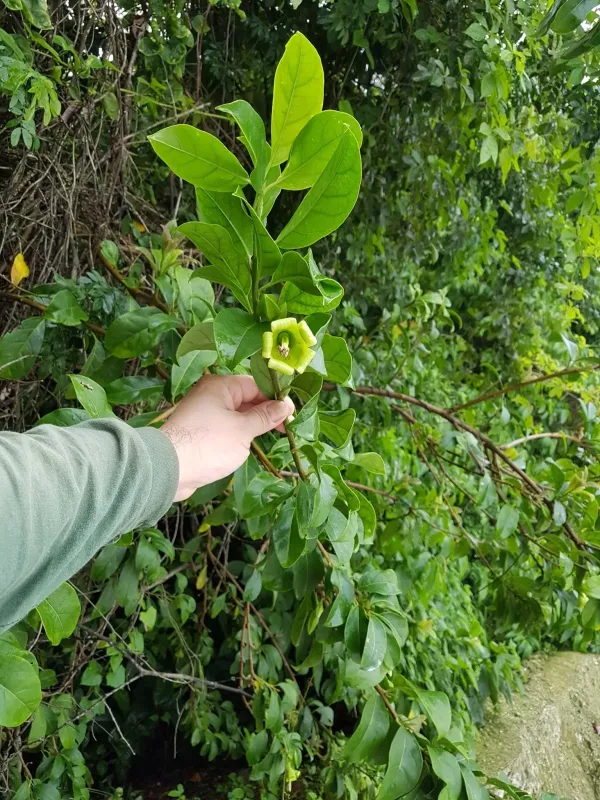
Description
Growing requirements
Dyssochroma viridiflorum is a fascinating species belonging to the Solanaceae family. Native to the tropical forests of Brazil, this plant is primarily recognized for its epiphytic or semi-epiphytic growth habit in its natural environment.
To cultivate this species successfully, one must maintain a high-humidity environment, ideally within a greenhouse setting. The temperature should remain relatively stable, mimicking the tropical climate of its origin.
The choice of growing medium is critical for Dyssochroma. A well-draining, airy substrate consisting of orchid bark, perlite, and high-quality peat is recommended to allow proper gas exchange for the roots.
Regarding light, Dyssochroma viridiflorum thrives in filtered or dappled sunlight. Direct, harsh midday sun should be avoided to prevent leaf scorch, which can significantly damage the plant's aesthetic and health.
Watering practices must be consistent. The substrate should remain moist but never waterlogged. During the dormant season, the frequency of watering should be reduced to prevent root hypoxia and subsequent decay.
Main diseases and pests
The primary threats to this culture are root and stem rots caused by excessive humidity combined with poor airflow. Maintaining good ventilation is essential to mitigate these risks in an indoor or greenhouse setting.
Pests such as spider mites and mealybugs are the most common adversaries for this plant. They tend to proliferate in dry conditions, making the maintenance of high ambient humidity a key preventative measure.
Should an infestation occur, horticultural oils or insecticidal soaps are generally effective. It is important to test any treatment on a small area of the plant first to ensure there is no phytotoxic reaction.
Monitoring the plant for yellowing leaves or stunted growth is crucial, as these symptoms often indicate nutrient deficiency or the onset of pest damage. Early intervention is key to preserving the plant's vigor.
General cleanliness within the cultivation area, including the removal of dead leaves and debris, helps to prevent the spread of diseases and discourages the nesting of common tropical greenhouse pests.