
Forest tobacco
Nicotiana sylvestris
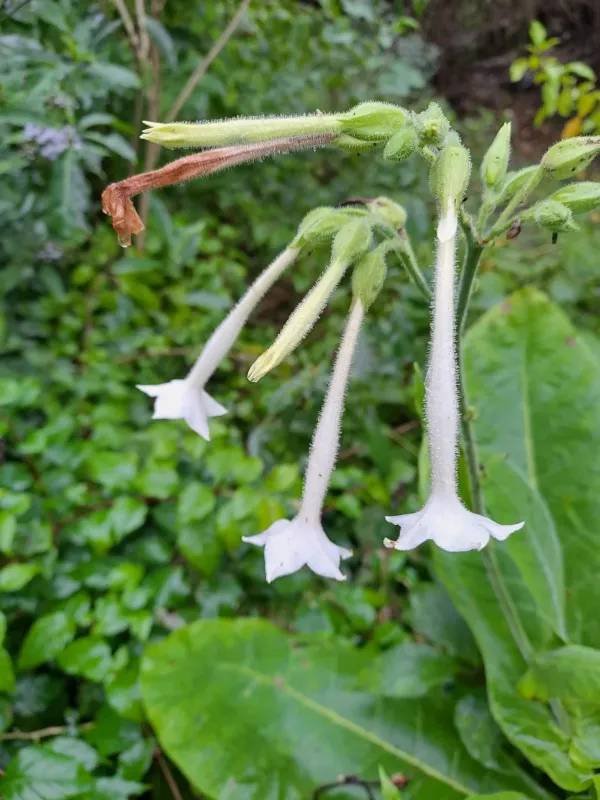
Description
Sowing dates
Forest tobacco is a tender perennial typically grown as an annual. Seeds should be sown indoors in late winter or early spring to ensure a long growing season before the final frost.
The seeds are extremely small and should be sown on the surface of the growing medium without covering, as they require light to germinate. High humidity and warmth are essential for success.
Prick out the seedlings once they develop their first set of true leaves. Providing sufficient light is crucial during the indoor stage to prevent the plants from becoming leggy and weak.
Transplanting into the garden occurs only after the soil has warmed and the danger of frost has passed, usually in late spring. Space plants at least 50 cm apart to allow for proper airflow.
Since the plant has a slow initial growth rate, early indoor starting is the only reliable way to ensure the plant reaches its full maturity and produces seeds in temperate climates.
Growing requirements
Nicotiana sylvestris thrives in full sun but can tolerate light partial shade. It requires a location protected from strong, gusty winds that can tear its large, delicate foliage.
The plant prefers rich, well-draining soil with a pH ranging from neutral to slightly acidic. Incorporating organic matter, such as aged manure or compost, prior to planting significantly boosts growth.
Watering must be consistent to keep the soil moist but never waterlogged. During hot, dry summer spells, increased irrigation is necessary to support the plant's massive leaf production.
Heavy feeding is required for this vigorous grower. A balanced liquid fertilizer applied throughout the summer helps sustain the plant's metabolic demands and ornamental output.
Crop rotation is essential. Avoid planting Nicotiana in areas previously occupied by other Solanaceae family members to minimize the risk of soil-borne diseases like verticillium wilt.
Main diseases and pests
Aphids are the most common pest for forest tobacco, congregating on the undersides of leaves and young flower buds. They suck sap, which stunts growth and may transmit viral diseases.
Thrips can cause silvering and necrosis on the leaf surface. Regular scouting and the use of insecticidal soap or neem oil are effective strategies for managing these small, damaging insects.
Root rot is a major threat in poorly drained soils. Overwatering, especially in cooler, damp weather, encourages fungal pathogens that compromise the plant's root system leading to sudden wilting.
Powdery mildew is a common fungal issue during late summer when humidity is high and airflow is restricted. It appears as a white, dusty layer on the foliage and inhibits photosynthesis.
- Maintain proper spacing between plants to ensure good air circulation.
- Use sterile growing media for starting seeds.
- Remove any infected plant tissue immediately to prevent disease spread.
Harvesting
The harvest of leaves should be done progressively. Pick the leaves as they reach maturity, starting from the bottom of the plant, where they begin to yellow slightly.
Timing the harvest for the morning is ideal, once the dew has evaporated. This ensures that the leaves are clean and reduces the risk of spoilage during the initial drying phase.
The collected leaves must undergo a wilting or curing process. This is performed in a shaded, well-ventilated area to allow for the gradual breakdown of chlorophyll and starch.
Air-drying is the preferred method for preserving the quality of the leaves. Ensure that the humidity is controlled to prevent mold development while keeping the leaves from drying too fast.
Proper harvest management ensures that the dried material retains its chemical integrity and aromatic properties, which is essential for any specialized application of the plant material.