
Jimsonweed
Datura stramonium L.
Description
Sowing dates
Jimsonweed cultivation typically begins in spring once soil temperatures consistently reach 12–15 degrees Celsius to ensure rapid and uniform germination.
Seeds should be planted at a depth of 3 to 5 centimeters, which is ideal for breaking dormancy and providing the necessary moisture for early development.
Row spacing is generally maintained between 60 and 70 centimeters, allowing for efficient mechanical cultivation and weed control throughout the season.
The sowing rate must be carefully calculated to achieve an optimal plant density, which maximizes the leaf area index for biomass production.
Pre-treatment of seeds, such as soaking, can significantly decrease the germination time, allowing the crop to establish itself before summer weed competition.
Growing requirements
As a member of the Solanaceae family, Jimsonweed thrives in sunny, well-drained environments with protection from strong, damaging winds.
The crop performs best on fertile, loamy soils that have neutral or slightly alkaline pH levels, providing adequate nutrients for robust growth.
Water management is critical during the vegetative stage and the onset of flowering, as the plant requires consistent moisture to maximize its chemical yield.
Organic soil amendments, such as compost or manure, are highly effective in supporting the plant's nutritional needs and improving soil structure.
Regular monitoring of field hygiene is essential, as the young seedlings are susceptible to competition from fast-growing weeds in the early stages of growth.
Yield
The overall yield of Jimsonweed is heavily influenced by site selection, irrigation regimes, and the management of soil nutrient levels during the season.
A well-managed crop can produce between 10 and 15 centners of dried leaves per hectare, depending on local environmental and climatic conditions.
The quality of the harvested material, particularly the concentration of alkaloids like scopolamine, depends on timing the harvest to peak physiological maturity.
Adhering to strict post-harvest protocols, including rapid drying and proper storage, is necessary to maintain the integrity of the bioactive compounds.
Consistent agricultural practices allow for a predictable output, meeting the strict requirements of the pharmaceutical industry for raw material quality.
Main diseases and pests
Datura stramonium is susceptible to several common Solanaceae pests, including aphids, whiteflies, and the Colorado potato beetle, which can defoliate the crop.
Fungal diseases such as early blight or root rot can occur under conditions of poor drainage or excessive humidity during the peak summer months.
Integrated pest management strategies are advised, including the use of targeted insecticides while being mindful of pre-harvest safety intervals.
Crop rotation remains the most effective prophylactic measure, preventing the buildup of soil-borne pathogens that thrive on Solanaceous species.
Timely removal of weeds is not only crucial for crop yield but also helps reduce the habitat for many pests and diseases that affect Datura plants.
Harvesting
Leaf harvesting typically commences at the start of the flowering phase and may continue until the first frost, depending on the desired harvest volume.
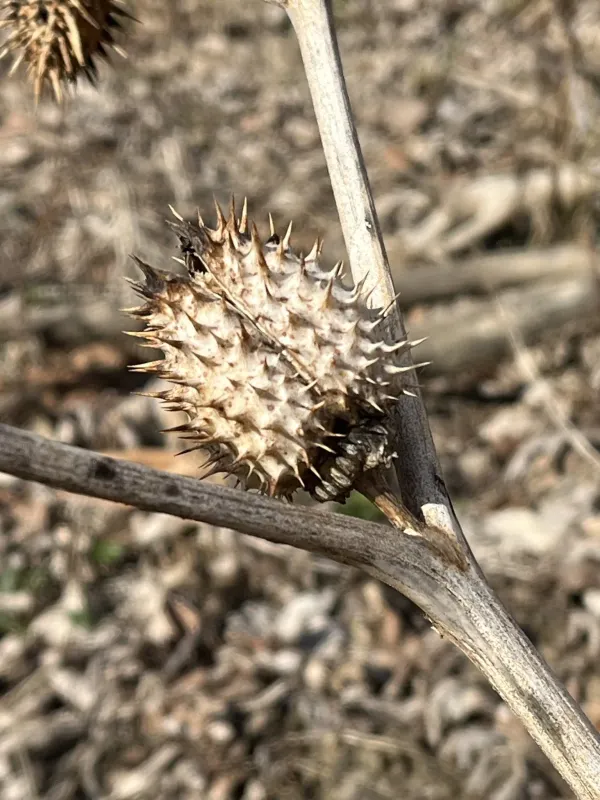
Seed harvesting requires careful timing, as the capsules must be collected when they turn brown but before they undergo natural dehiscence in the field.
Harvested biomass should be transported to drying facilities immediately to prevent heating, which can degrade the chemical composition of the plant.
Drying is conducted at controlled temperatures below 50 degrees Celsius to ensure that the delicate alkaloids remain stable and effective in the final product.
Standardized post-harvest processing ensures that the final batch is clean, free of moisture, and compliant with pharmaceutical quality standards.