
Datura metel
Datura metel L.
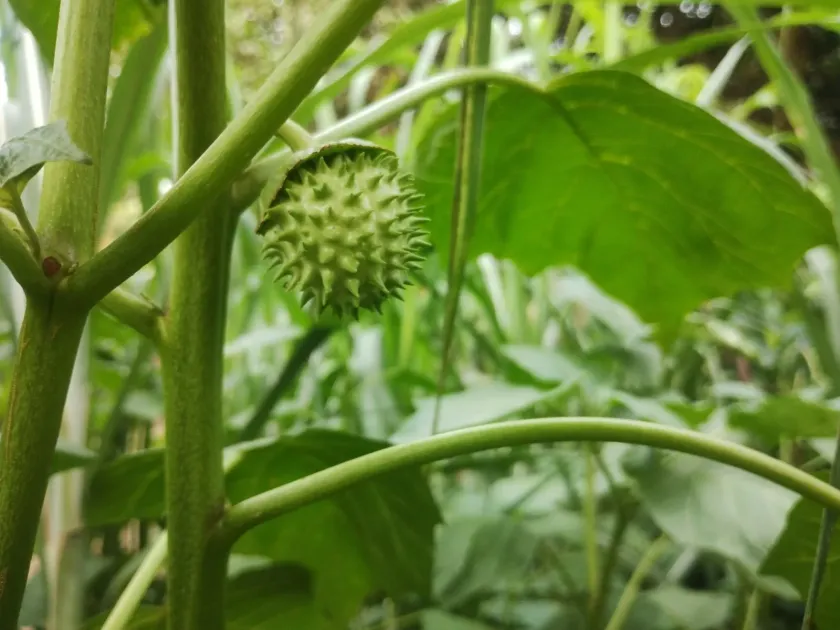
Description
Sowing dates
Datura metel is a warm-season crop that typically requires a long, frost-free growing period. In cooler climates, it is essential to start seeds indoors in trays or greenhouses about 6 to 8 weeks before the last expected frost date.
Direct seeding in the field should only occur once soil temperatures consistently remain above 18 degrees Celsius. Seeds are sown at a depth of approximately 2 to 3 centimeters in rows spaced to allow for adequate plant development.
The optimal plant population density ranges from 20,000 to 40,000 plants per hectare. Proper spacing is crucial to prevent competition for sunlight and nutrients and to facilitate mechanical weed control during early growth stages.
Germination is often slow and erratic, so pre-soaking seeds or ensuring uniform soil moisture is recommended. Once established, the seedlings are sensitive to transplant shock and should be handled with care when moving to the field.
The total vegetative cycle, from sowing to seed maturity, spans 120 to 150 days. Precise scheduling of sowing dates is vital to align the peak flowering phase with the most favorable climatic conditions for alkaloid accumulation.
Growing requirements
As a member of the Solanaceae family, Datura metel thrives in environments with high light intensity. It is an annual plant that requires full sun exposure to maximize the production of its secondary metabolites.
The crop performs best in well-drained, fertile loamy or sandy soil with a neutral to slightly acidic pH. Poorly drained soil, especially in clay-heavy areas, often leads to root rot and significant yield losses.
Water requirements are moderate, but consistent moisture is necessary during the active growth phase. While the plant shows some drought tolerance, water stress during flowering can reduce the potency of the medicinal leaves.
Temperature management is key; the plant is extremely susceptible to cold. Exposure to temperatures below 10 degrees Celsius can stunt growth, while frost will kill the plants entirely.
Fertilization should prioritize phosphorus and potassium to support robust stalk development and alkaloid synthesis. Excessive nitrogen application is discouraged as it encourages leaf mass at the expense of medicinal quality.
Yield
Datura metel is primarily cultivated for its high concentration of tropane alkaloids, such as scopolamine. These chemical compounds are vital in the pharmaceutical industry for various therapeutic applications.
Average dry biomass yields typically range from 15 to 25 centners per hectare under optimal agronomic conditions. Yield consistency is dependent on maintaining healthy plant populations throughout the season.
The medicinal value is concentrated in the leaves and the seeds of the plant. Harvesting timing is determined by the development stage, with the highest alkaloid concentrations found during full bloom.
Seed production is an additional revenue stream, with potential yields of 30 to 50 grams of seeds per plant. Proper seed cleaning and drying are necessary to maintain high germination rates for subsequent seasons.
Productivity is highly influenced by the agricultural management system. Intensive farming practices that focus on weed control and balanced nutrition generally lead to higher overall yields of pharmaceutical-grade material.
Main diseases and pests
Root rot and Phytophthora blight are the most significant fungal threats to the crop. These diseases are particularly prevalent in wet, poorly ventilated fields or during excessively rainy summers.
The Colorado potato beetle represents a primary insect threat, as it feeds voraciously on Solanaceae foliage. Integrated pest management strategies, including biological controls, are recommended for large-scale operations.
Aphids and spider mites may also infest the plants, especially during hot and dry spells. These pests can weaken the plant and serve as vectors for various viral diseases like cucumber mosaic virus.
Field hygiene is critical; removing debris and practicing a strict crop rotation cycle—avoiding other solanaceous crops for at least 3 years—helps break the life cycle of common pathogens.
Given the toxic nature of Datura metel, workers must wear appropriate protective clothing. Standard protocols for handling poisonous plants must be enforced to ensure worker safety during inspection and harvest.
Harvesting
Leaf harvesting is performed during the peak flowering stage in dry weather. Collectors should prioritize healthy, fully developed leaves while discarding any damaged or diseased plant tissue.
Immediate drying is required to prevent fermentation and alkaloid degradation. The material is dried in shaded, well-ventilated structures at temperatures between 40 and 50 degrees Celsius.
Seed pods are harvested once they turn brown but before they split open. The pods are allowed to finish drying in a sheltered area before being threshed to collect the mature seeds.
Final product quality relies on the absence of contaminants like soil, weeds, or woody stems. Proper cleaning procedures ensure the consistency and safety of the final raw material for pharmaceutical processing.
Storage should take place in dry, cool, and light-protected conditions. Properly dried material remains viable for pharmaceutical use for up to two years if stored in airtight containers.