
American black nightshade
Solanum americanum
Description
Sowing dates
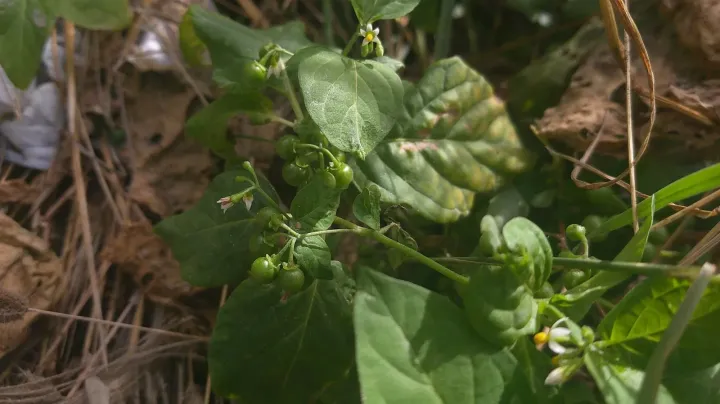
American black nightshade (Solanum americanum) is an annual herb of the Solanaceae family. Seeds are typically sown directly into prepared soil once the danger of frost has passed and the ground temperature has warmed sufficiently.
For regions with shorter growing seasons, starting plants in a greenhouse or nursery is recommended. Seedlings should be sown 6 to 8 weeks before the last frost date to ensure strong establishment before transplantation into open fields.
The seeds require shallow planting, usually no deeper than 1 cm, in a well-draining potting mix. Maintaining a consistent temperature of around 20-22 degrees Celsius significantly improves germination rates and uniformity of emergence.
When transplanting, spacing is critical for canopy development. Plants should be set at intervals of 45-50 cm to ensure adequate air circulation and to facilitate mechanical weeding between the rows as the plants mature.
Crop rotation practices should be strictly followed. Since Solanum americanum is closely related to potatoes, tomatoes, and peppers, it should not be planted in plots that have hosted these crops in the previous three years.
Growing requirements
This species thrives in full sunlight, which is necessary for optimal development and fruit production. Shady environments lead to weak growth and increased susceptibility to fungal diseases and various physiological disorders.
The plant prefers fertile, well-draining soils with a neutral pH. While it is adaptable to various soil types, maintaining soil structure through organic matter application is essential for maximizing yield potential throughout the season.
Water requirements are moderate, but the plant is sensitive to prolonged waterlogging. Drip irrigation systems are highly effective, as they provide consistent moisture to the root zone without wetting the foliage, thereby reducing disease pressure.
Nutrient management focuses on balanced fertilization. A baseline application of compost, followed by supplemental potassium during the flowering stage, supports the development of healthy berries and improves stress tolerance.
Weed control during the early stages of growth is paramount. Mechanical hoeing or mulching can effectively suppress weeds without the need for intensive herbicide applications, supporting a more sustainable production model.
Yield
The yield of American black nightshade is determined by consistent moisture and nutrient availability. The plant produces numerous clusters of small, black, glossy berries that are harvested for various industrial and pharmaceutical purposes.
Harvesting should occur only when the fruit is fully mature and black, as the concentration of target biochemical compounds is highest at this stage. Immature berries do not meet the quality standards for most industrial applications.
The berries are perishable and require prompt processing after harvest. Techniques such as air-drying or specialized extraction methods are employed to preserve the integrity of the plant's phytochemical constituents.
Regular harvesting of mature fruit serves to stimulate continuous production throughout the growing season. In optimal conditions, plants can remain productive until the first frost occurs in late autumn.
Managing the harvest process requires careful logistics to ensure the fruit remains clean and free of debris. Implementing efficient collection methods reduces the labor cost and improves the overall quality of the harvested crop.
Main diseases and pests
Fungal diseases, specifically late blight, represent the most significant threat to the crop. Preventive measures include maintaining spacing for airflow and using disease-resistant cultivars when available to mitigate potential damage.
- Colorado potato beetle, which can defoliate plants rapidly.
- Aphids, which serve as vectors for various plant viruses.
- Spider mites, common in hot, arid conditions.
- Root rot caused by poor soil drainage.
- Cutworms, which may damage young seedlings.
Integrated Pest Management (IPM) is the standard for managing these threats. This approach combines cultural practices, biological controls, and judicious chemical application to minimize damage while protecting the surrounding ecosystem.
Scouting for early indicators of pest infestation or disease development is essential. Early identification allows for targeted interventions, which are generally more effective and environmentally friendly than broad-spectrum treatments.
Sanitation practices, such as removing infected plant tissue and ensuring weeds are cleared from the perimeter, prevent the carry-over of pathogens into subsequent seasons. Clean field practices ensure long-term sustainability.