
Anthocercis angustifolia
Anthocercis angustifolia
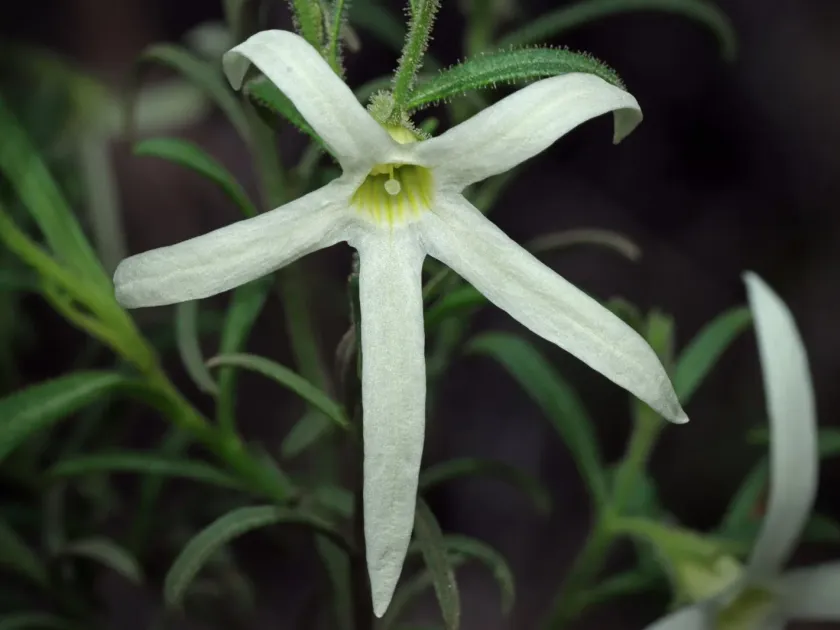
Description
Growing requirements
Anthocercis angustifolia is a perennial shrub belonging to the Solanaceae family. Native to the southwestern regions of Australia, it thrives in environments characterized by sandy soils and temperate, Mediterranean-like weather patterns.
When cultivated, this species requires well-draining soil to prevent root rot, which is a common issue for many shrubs in the nightshade family. The plant demonstrates high adaptability to nutrient-poor soils, making it resilient in specific ecological niches.
Climatic requirements focus on full sun exposure and warm temperatures. The plant is sensitive to frost and extreme humidity, requiring a balanced environment to maintain its chemical composition and vegetative vigor throughout the growing season.
Agronomic practices focus on minimal intervention, as the species is essentially a wild-growing shrub brought into controlled cultivation. Maintaining proper spacing is crucial to prevent fungal infections and ensure adequate air circulation between individual plants.
The primary economic value of Anthocercis angustifolia lies in its pharmaceutical potential. It is known to produce tropane alkaloids, which are subjects of ongoing scientific interest for various medical applications and chemical syntheses.
Main diseases and pests
Common threats to the cultivation of this species include insect pests such as aphids and spider mites, which can cause significant damage to young foliage. These pests often thrive in the same warm, dry conditions preferred by the plant.
Fungal diseases like root rot and mildew are frequent challenges in humid or poorly ventilated settings. Monitoring soil moisture levels and applying preventive botanical treatments are essential components of a successful integrated pest management strategy for this crop.