
Anisodus stramoniifolius
Anisodus stramoniifolius
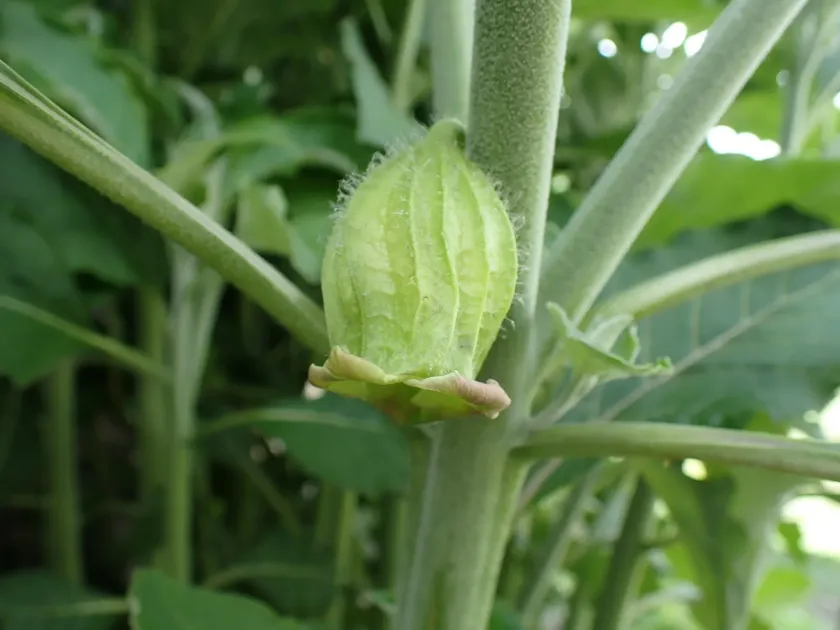
Description
Sowing dates
Anisodus stramoniifolius is a medicinal plant belonging to the Solanaceae family, known primarily for its secondary metabolites. The seeds possess dormancy, which necessitates cold stratification for several weeks before sowing to ensure uniform germination.
In temperate climates, seeds are typically sown in early spring once soil temperatures reach a consistent 8–10 degrees Celsius. Starting plants in a nursery setting is often preferred to protect vulnerable seedlings from unpredictable weather and soil pathogens.
Seed depth should be kept shallow, approximately 1 centimeter, to allow adequate light exposure for emerging sprouts. Maintaining consistent soil moisture during the germination phase is critical, as desiccation at this stage can result in total crop failure.
The standard spacing for this crop is 60 cm between rows and 40 cm between individual plants. This layout ensures optimal air circulation and allows sufficient space for the root system to develop, particularly during the second year of growth.
The first year is generally focused on vegetative growth and root establishment, with limited biomass production. By the second year, the plant enters a reproductive cycle, exhibiting rapid growth in leaf surface area and stem development.
##requirements##Anisodus stramoniifolius requires fertile, well-draining loam or sandy-loam soils to reach its maximum productivity. The pH balance should be maintained at a neutral to slightly acidic range to ensure optimal nutrient availability.
Sunlight is a key factor for this species; it requires full exposure to maximize the accumulation of alkaloids in its tissues. Any form of shading will significantly diminish the pharmacological quality of the harvest.
Irrigation must be managed carefully, providing regular moisture without creating waterlogged conditions. Excessive standing water in the root zone is a common cause of fungal root rot, which can decimate entire fields.
The plant demonstrates moderate hardiness but performs best in climates without extreme seasonal fluctuations. In areas with harsh winters, covering the soil surface with organic mulch helps protect the roots from frost damage.
Soil fertility management should focus on balanced NPK ratios, with a particular emphasis on potassium and phosphorus. These minerals promote stronger cell structures and enhance the plant's resistance to environmental stresses and diseases.
Yield
The primary agricultural output of Anisodus stramoniifolius is its foliage and roots, which serve as a natural source of hyoscyamine and scopolamine. Proper timing of the harvest is essential to ensure high alkaloid concentration.
Maximum yields of bioactive compounds are obtained when harvesting occurs at the onset of the flowering stage. If the plant is harvested too late, the metabolic shift toward seed production leads to a decrease in alkaloid levels.
Average yields of dried plant material can range from 1,500 to 2,000 kilograms per hectare under optimal agronomic conditions. Success depends on the efficiency of harvesting techniques and the speed of transport to drying facilities.
Roots are harvested at the end of the growth season when the plant goes dormant. This process requires specialized mechanical harvesting equipment to ensure that the root integrity is maintained and that debris is kept to a minimum.
Quality control during the harvest process involves monitoring the ratio of stems to leaves. Minimizing stem content in the final raw material helps maintain higher concentrations of active substances in the dried product.
Main diseases and pests
Pests such as the Colorado potato beetle pose a significant threat to Anisodus stramoniifolius, as it shares its susceptibility with other Solanaceous crops. Intensive monitoring is required to prevent rapid defoliation.
Fungal pathogens like Phytophthora and Alternaria thrive in the humid environments required by the plant. Implementing crop rotation and maintaining adequate spacing are essential preventative measures against these infections.
Aphids act as potential vectors for viral diseases, which can significantly stunt growth and lead to irregular plant development. Integrated Pest Management (IPM) strategies, including biological controls, are highly recommended.
Root rot, often caused by improper watering, remains the most difficult threat to mitigate. Once symptoms of wilting appear, treatment efficacy is low, making soil drainage and preventative irrigation management crucial.
Regular field scouting is necessary to identify emerging threats early in the season. Prompt intervention, whether manual or biological, prevents the spread of infection and secures the overall viability of the medicinal crop harvest.
Harvesting
Harvesting leaves is conducted on dry, sunny days to minimize moisture content and facilitate a faster drying process. Rapid transport after harvest is essential to prevent fermentation and the degradation of sensitive alkaloids.
Drying is performed in climate-controlled facilities at temperatures not exceeding 50 degrees Celsius. High heat can denature the alkaloids, rendering the medicinal raw material ineffective for pharmaceutical manufacturing.
Harvesting roots involves lifting the plant, washing away residual soil, and chopping the material into smaller segments. This preparatory step is vital for ensuring uniform moisture loss during the dehydration phase.
Due to the toxic nature of the plant, personnel must wear protective gear including gloves and respirators. Safety protocols are mandatory to prevent accidental exposure to the active chemicals during handling and processing.
Properly dried and processed raw material is stored in dark, cool, and well-ventilated conditions. Under these storage standards, the chemical integrity of the harvested material is preserved for several years.