
Anisodus tanguticus
Anisodus tanguticus
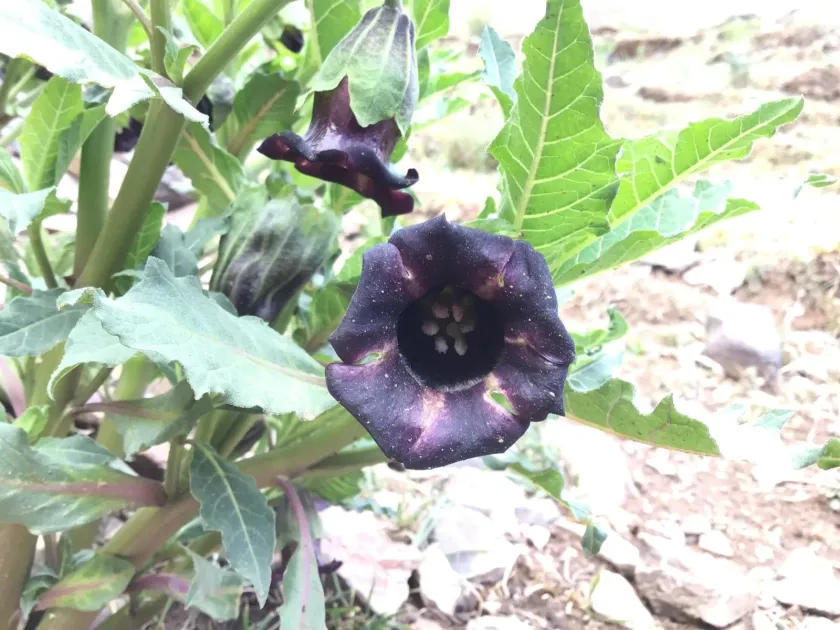
Description
Sowing dates
The sowing of Anisodus tanguticus requires careful preparation, as the seeds have a naturally hard coat. Early spring sowing is recommended when soil temperatures consistently reach at least 10 degrees Celsius.
Seeds should be sown at a depth of 1–2 centimeters in well-drained, fertile soil. Stratification of seeds is a common practice to break dormancy and ensure more uniform germination across the field.
Spacing between rows should be maintained at 50–60 centimeters to facilitate efficient weed control and plant growth. Adequate spacing is essential to prevent moisture buildup around the plant base.
While direct seeding is possible, many professional growers prefer transplanting seedlings started in greenhouses. This method provides a significant advantage in areas with short growing seasons.
Crop rotation is crucial for this species to avoid soil-borne diseases that frequently affect members of the Solanaceae family. Avoid planting after potatoes or tomatoes to minimize risks.
Growing requirements
Anisodus tanguticus thrives in cool, high-altitude climates, reflecting its origin in the Tibetan Plateau. It shows exceptional cold tolerance but can struggle in environments with prolonged high humidity and heat.
The ideal soil profile for this crop is a light, sandy loam with a neutral to slightly alkaline pH. Drainage is the most important factor in site selection, as waterlogging is detrimental to root health.
Full sun exposure is preferred for maximum biomass and secondary metabolite production. The plant is hardy and capable of surviving harsh winters once the root system is established.
Regular cultivation is necessary to maintain soil aeration and suppress weed competition. Deep hoeing should be performed carefully to avoid damaging the taproot system.
Fertilization management focuses on phosphorus and potassium to promote root development. Excessive nitrogen should be avoided as it delays maturity and lowers the concentration of active alkaloids.
Main diseases and pests
The crop is susceptible to various fungal pathogens, particularly root rots caused by overwatering or poor soil drainage. Maintaining dry, airy conditions is the primary preventive measure.
Common pests include aphids and leaf-eating beetles that can quickly reduce the leaf surface area. Integrated pest management strategies are advised to protect the plant health.
Early blight and similar Solanaceae diseases can pose a risk if crop rotation practices are ignored. Monitoring the field for early signs of lesions is essential for successful management.
Weed infestation is a major challenge during the first year of growth. Using mulch or mechanical cultivation can help mitigate the pressure from fast-growing weed species.
Viral infections can sometimes impact the crop, necessitating the use of disease-free seed stock and controlling insect vectors that spread these pathogens across the field.
Harvesting
The harvest cycle for Anisodus tanguticus is typically 3 to 4 years. Harvesting before this period results in lower yields of the active pharmaceutical ingredients found in the roots.
Roots are extracted in the autumn after the aerial foliage begins to wither. Mechanical harvesters should be calibrated to avoid cutting or damaging the primary taproots.
Once harvested, the roots must be thoroughly cleaned of all soil particles. This process is essential to meet the purity standards required by the pharmaceutical industry.
Drying must be conducted in controlled environments with temperatures ranging from 40 to 50 degrees Celsius. Rapid drying helps preserve the integrity of the chemical constituents.
After processing, the dried roots are stored in cool, dry, and dark conditions. Proper storage prevents moisture absorption, which could otherwise lead to microbial spoilage.