
Zaluzianskya capensis
Zaluzianskya capensis
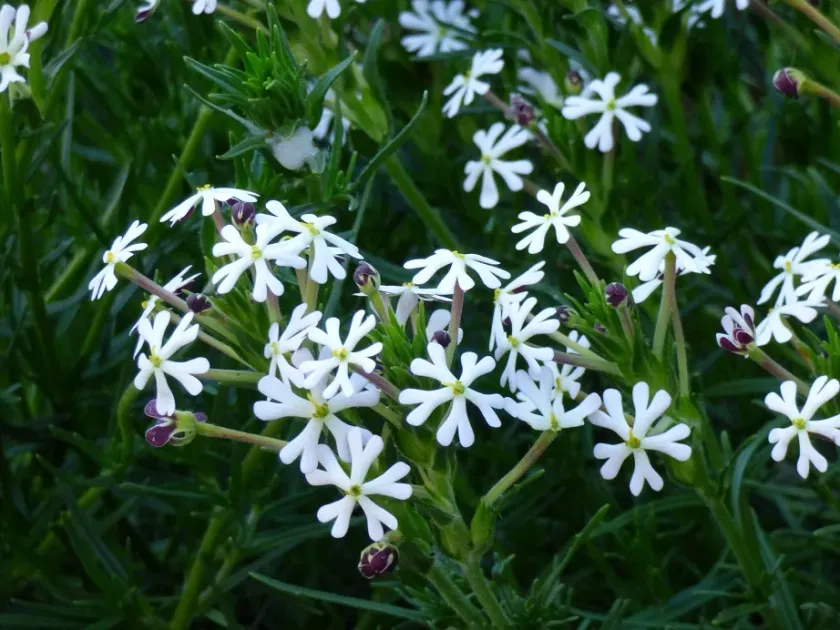
Description
Sowing dates
Zaluzianskya capensis is best propagated by seeds sown during early spring in protected environments or direct-seeded outdoors once the danger of frost has passed. Seeds are exceptionally small and should be sown on the surface of well-draining, moist seed-starting soil.
For earlier blooms, starting seeds in containers indoors approximately six to eight weeks before the last frost date is highly recommended. The seeds require warmth and light for germination, which should occur within two to three weeks under optimal conditions of 18–20 degrees Celsius.
Once the seedlings are large enough to handle and the soil has sufficiently warmed, they can be transplanted to their final location in the garden. Proper spacing of 15 to 20 centimeters between plants ensures that each specimen receives adequate airflow and sunlight to thrive.
Selecting the right site is crucial for successful cultivation. The plants perform best in full sun, where the fragrance of their nocturnal flowers is most intense. Choosing a spot with high light intensity also supports the development of a dense, bushy growth habit.
In regions with mild winters, direct sowing can be done directly into the garden beds. The soil should be finely raked to create a perfect seedbed, and the seeds should be pressed firmly into the surface to ensure good contact for moisture absorption during the germination period.
Growing requirements
Belonging to the Scrophulariaceae family, Zaluzianskya capensis is native to South Africa, which dictates its preference for well-drained, gritty, or sandy soil conditions. It is remarkably adapted to impoverished soils, provided they do not become waterlogged.
Proper drainage is the single most important factor in maintaining healthy plants. If your garden has heavy, clay-based soil, it is essential to amend it with sand or fine gravel before planting to prevent root rot and other moisture-related diseases that can kill the plant.
Watering should be balanced; while the plants appreciate moisture during growth, they are quite drought-tolerant once established. It is advisable to let the surface of the soil dry out slightly between watering sessions, especially in humid or overcast weather.
Fertilization should be handled with care. A light application of a balanced, low-nitrogen liquid fertilizer once a month during the active growing season is sufficient to encourage flowering without causing excessive vegetative growth that weakens the plant structure.
The plant is known for its night-blooming characteristics, where the flowers open during the evening to release a sweet, honey-like fragrance. Providing the right environment allows for this nocturnal display to be enjoyed throughout the warm summer evenings in the garden.
Main diseases and pests
The most significant threat to Zaluzianskya capensis is fungal infection, particularly root rot, which typically occurs when the plants are subjected to poorly drained, stagnant soil conditions. Improving soil structure and avoiding overhead watering can mitigate this risk significantly.
Aphids can occasionally cluster on the flower buds and succulent new growth. Routine inspections of the plants, particularly during the onset of the flowering period, allow for early manual removal or the application of organic soap-based insecticidal sprays.
Slugs and snails can pose a danger to young seedlings in spring, potentially destroying them overnight. Using non-toxic barriers or trapping methods around the young plants can help protect them until they are established and more resilient to such mechanical damage.
Powdery mildew may manifest as a white dusting on the foliage during periods of stagnant, humid air. Increasing air circulation around the plants by ensuring they are not planted too densely is the primary preventative measure against this common fungal disease.
Maintaining a clean garden environment is vital for plant health. Clearing away dead plant material and controlling weeds ensures that the Zaluzianskya has sufficient access to nutrients and prevents the buildup of pathogen populations that could otherwise target the plants.