
Yellow figwort
Scrophularia vernalis
Description
Growing requirements
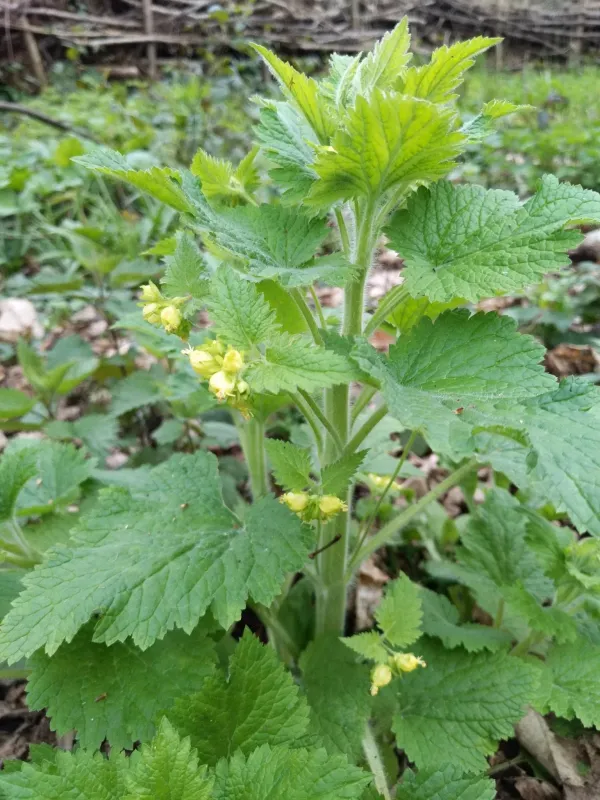
Yellow figwort (Scrophularia vernalis) is a perennial herbaceous plant belonging to the Scrophulariaceae family. It is native to Central and Southern Europe, where it predominantly grows in damp woodland environments and shaded riparian habitats.
The plant features a distinctive quadrangular stem that grows up to 1 meter in height. Its leaves are broad, ovate, and serrated, providing a lush appearance during the spring and early summer growing season.
Optimal growth requires rich, loamy, and consistently moist soil. In an agricultural setting, it is essential to ensure high humus content to support the vigorous development of the herbaceous parts used in botanical medicine.
The species prefers partial shade or dappled sunlight, mimicking its natural forest habitat. Excessive exposure to direct sun requires intensified irrigation schedules to prevent leaf dehydration and stunting of the plant.
The primary use of Scrophularia vernalis is medicinal, as it contains bioactive compounds such as iridoids. It is cultivated in small-scale herbal farms for use in ointments and infusions intended for dermatological care.
Main diseases and pests
Powdery mildew represents a significant threat during periods of high humidity and stagnant air. Good spacing between plants is the most effective cultural method to prevent the spread of fungal spores in the crop.
Aphids are common pests that target the terminal growth points of the figwort. Early detection and the use of insecticidal soap or biological controls can prevent extensive damage to the foliage.
Leaf-eating beetles can cause significant aesthetic and physiological damage by skeletonizing the leaves. Regular field monitoring is necessary to apply corrective measures before the infestation becomes severe.
Root rot caused by fungal pathogens is common in poorly drained fields. Ensuring proper drainage and avoiding waterlogged soil conditions are critical to maintaining the longevity of the perennial roots.
Slugs and snails pose a major risk to young yellow figwort seedlings. Gardeners and growers often use protective mulches or physical barriers to defend the plants during their most vulnerable developmental stages.