
Zaluzianskya divaricata
Zaluzianskya divaricata
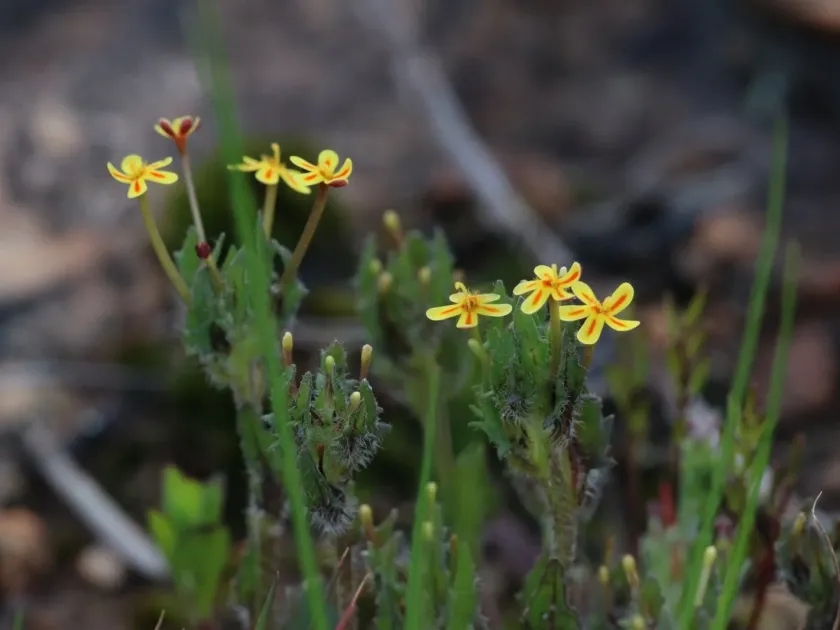
Description
Sowing dates
Zaluzianskya divaricata is primarily propagated via seeds, sown directly in the garden bed once the danger of frost has passed. Early spring sowing in prepared soil beds yields the best results for seasonal blooming.
For earlier flowering, seeds can be started indoors in containers during late winter. It is crucial to sow them on the surface of the soil, as they require light to germinate effectively without being buried.
The seedlings thrive in a temperature range of 18-20 degrees Celsius. Maintaining high air circulation and ensuring the soil remains moist but not waterlogged is essential for the healthy development of young plants.
Seedlings should be thinned out or transplanted carefully once they develop their first set of true leaves. Proper spacing of 20-25 centimeters ensures each plant has enough room to spread and bloom optimally.
Hardening off the seedlings before moving them to their permanent outdoor location is a necessary step to help the plants adapt to fluctuating outdoor temperatures and wind conditions.
Growing requirements
Zaluzianskya divaricata, a member of the Scrophulariaceae family, is a captivating South African native known for its star-shaped flowers that release a sweet scent in the evening.
This plant thrives in full sun exposure. While it can tolerate light afternoon shade in exceptionally hot climates, consistent sunlight is required to maintain compact growth and encourage vigorous flower production.
The ideal soil for this crop is light, well-draining, and slightly sandy. It is highly sensitive to dampness, so ensuring that the growing medium is permeable is the most important factor in successful cultivation.
Watering should be performed carefully, aiming to keep the root zone slightly moist without ever allowing it to become saturated. Avoid getting water on the foliage to maintain the pristine condition of the blooms.
While the plant does not require heavy fertilizing, a balanced liquid fertilizer applied sparingly during the active growing season will support continuous bud formation and overall plant health.
Main diseases and pests
The most significant threat to Zaluzianskya divaricata is root rot, which typically occurs in poorly drained soils or due to over-frequent watering cycles. Maintaining soil porosity is key to prevention.
Powdery mildew is a fungal risk, especially in crowded beds with poor airflow. It appears as a white dusty layer on the leaves, which can inhibit photosynthesis and weaken the plant structure.
Common pests like aphids and spider mites may occasionally infest the foliage, particularly during dry, hot spells. These pests can severely drain the plant's resources and lead to distorted growth.
Integrated pest management, including regular inspection and the use of insecticidal soap, is effective at controlling minor outbreaks before they reach critical levels.
Sanitation practices, such as removing fallen leaves and spent flowers, significantly reduce the presence of pathogens and keep the immediate environment around the plant hygienic and healthy.