
Sutera polyantha
Sutera polyantha (Benth.) Kuntze
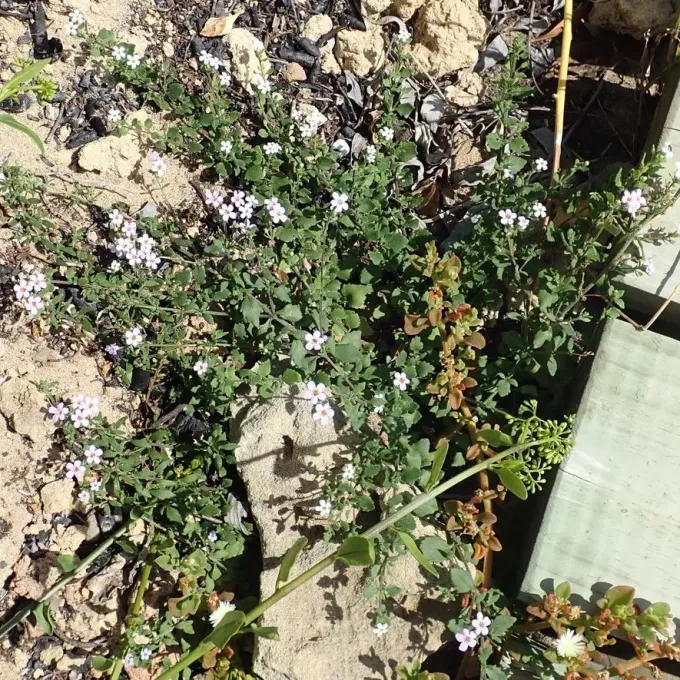
Description
Sowing dates
The propagation of Sutera polyantha is most effectively achieved through seeds or stem cuttings. Seed sowing should take place in early spring indoors, using a light, moist, and well-draining germination medium.
Sutera seeds are light-dependent for germination and should be surface-sown without covering. Maintaining a consistent temperature between 20°C and 22°C is crucial for achieving high germination rates.
Seedlings should be pricked out into individual pots once the first true leaves have emerged. This process prevents root overcrowding and encourages the development of a strong root system before outdoor transplanting.
Planting in the garden occurs after the danger of frost has passed in late spring. Providing sufficient spacing between plants is essential to allow for airflow and prevent the development of fungal infections in the foliage.
For vegetative propagation, take healthy tip cuttings in late summer. These cuttings root best under mist or plastic covers, allowing the plants to be maintained through the colder months before spring planting.
Growing requirements
As a member of the Scrophulariaceae family, Sutera polyantha thrives in bright, sunny locations. Full sun is preferred to ensure a dense growth habit and profuse blooming throughout the growing season.
The plant requires fertile, loamy soil with excellent drainage. While it appreciates constant moisture, it is highly intolerant of waterlogged conditions, which often lead to rapid root decline.
Consistent watering is necessary, especially during peak summer temperatures. When grown in containers, it is vital to monitor the moisture level closely, as pots tend to dry out much faster than garden soil.
Regular fertilization with a balanced, water-soluble fertilizer helps maintain optimal growth and continuous flowering. Feeding every two weeks during the active phase provides the necessary nutrients for plant vigor.
Temperature management is important for overall plant health. While Sutera polyantha is relatively hardy, it performs best in mild climates and may require temporary shade during the most intense afternoon heat.
Main diseases and pests
Root rot is the most common threat, usually triggered by poor drainage or excessive irrigation. Ensuring a high-quality, porous substrate is the best preventive measure against this devastating disease.
Common pests such as aphids and spider mites can infest the soft terminal growth of the plant. Regular monitoring of the foliage and timely application of appropriate treatments are necessary for effective control.
Powdery mildew may develop if the plants are situated in areas with poor air circulation or high humidity. Maintaining adequate space between plants is a critical cultural practice to reduce this risk.
Whiteflies can be particularly problematic in greenhouse environments or warm, sheltered locations. Using sticky traps and biological control agents can help keep populations below the damage threshold.
Sanitation practices, such as removing spent flowers and dead leaves, are essential for disease prevention. This helps maintain plant vigor and prevents the buildup of pathogens within the dense canopy of the plant.