
Phygelius
Phygelius
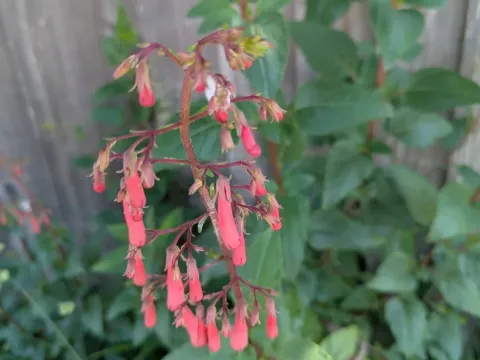
Phygelius, commonly known as Cape fuchsia, is a genus of flowering shrubs belonging to the Scrophulariaceae family. Native to South Africa, these plants are highly valued in horticulture for their vibrant, trumpet-shaped flowers that appear in clusters.
What the section contains

Phygelius
Botanically, Phygelius species are characterized by their semi-evergreen habit and robust stems. Depending on the variety, they can reach heights of up to one meter or more, making them ideal for borders or as focal points in warm-climate gardens.
The plant thrives in sunny locations with well-drained, fertile soil. While it is hardy in many regions, it requires protection from harsh frosts and cold winds, often necessitating mulching or container cultivation in cooler temperate zones.
For optimal health, Phygelius requires consistent moisture throughout the growing season, though it must never be allowed to sit in waterlogged soil. Proper soil structure is essential to prevent root rot, so incorporating organic matter is highly recommended during planting.
Maintenance includes light pruning in the spring to remove dead or damaged stems, which encourages vigorous new growth and a fuller bloom display. Regular fertilization with a balanced fertilizer can also significantly enhance flowering performance.
Phygelius is generally robust, but it can be susceptible to common garden pests such as aphids and spider mites. These insects typically attack the soft, new growth, and if left untreated, they can stunt the plant's overall vigor and flowering potential.
Fungal diseases, including powdery mildew and various types of root rot, are the primary health threats, often triggered by poor air circulation or over-saturation of the soil. Improving drainage and ensuring the plant has enough space are key preventative measures.