
Phygelius hybrids
Phygelius hybrids
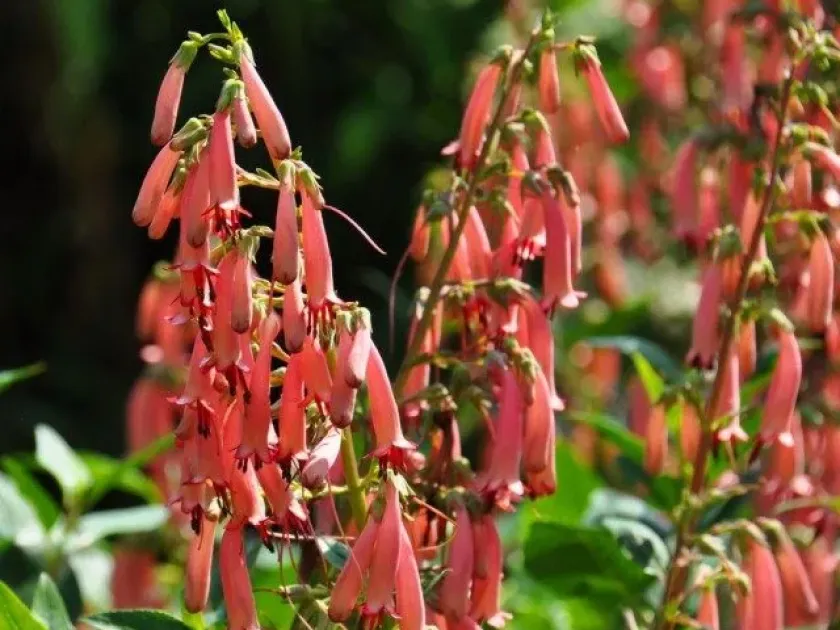
Description
Sowing dates
Propagation of Phygelius hybrids is commonly achieved through seeds or stem cuttings. For seed sowing, start in late winter or early spring (February-March) indoors using a well-draining, sterile potting mix.
Seeds are tiny and require light to germinate, so press them gently into the moist soil surface without burying them deep. Cover containers with plastic to maintain high humidity levels.
Keep the environment at a temperature range of 20–22 degrees Celsius for optimal germination success. Seedlings usually emerge within two to three weeks of initial sowing.
Transplant individual seedlings into small pots once they develop their first set of true leaves. Ensure plants are properly hardened off before moving them to outdoor garden locations.
Softwood cuttings are preferred for mass propagation. Take cuttings in early summer, root them in a mixture of perlite and peat, and keep them under glass until established.
Growing requirements
Phygelius hybrids, belonging to the Scrophulariaceae family, are semi-evergreen shrubby perennials often referred to as Cape Fuchsia. They are prized for their elegant, trumpet-shaped flowers.
These plants thrive in full sun to partial shade. In warmer climates, provide some afternoon shade to prevent leaf scorch and maintain a more vibrant flower color throughout the season.
Well-drained, fertile soil is a non-negotiable requirement for healthy Phygelius growth. Heavy soils should be amended with organic compost or grit to improve aeration and prevent rot.
Water requirements are moderate. During the peak summer heat, consistent moisture is necessary, but the soil should never become waterlogged as this quickly damages the roots.
Hardiness can be a concern in cooler regions. Providing a thick mulch of bark or straw around the base during winter can protect the rootstock from freezing temperatures.
Main diseases and pests
Fungal issues, particularly root rot, are the primary threat to Phygelius hybrids. These diseases typically stem from overwatering or poorly draining soil conditions during the dormant phase.
Aphids are frequent pests that congregate on the undersides of leaves and flower buds. Infestations should be treated promptly with insecticidal soaps or systemic pesticides to prevent damage.
Whiteflies can infest the plants, particularly in glasshouse environments or sheltered garden spots. Monitor the foliage closely for yellowing or sticky residues typical of insect activity.
Spider mites may become problematic during dry, hot spells. Increasing humidity around the plant or using targeted acaricides can effectively manage mite populations in the garden.
- Prune back stems in early spring to encourage bushy growth.
- Remove faded flower spikes to prolong the blooming season.
- Ensure good air circulation between plants to reduce fungal risks.