
Scopol's figwort
Scrophularia scopolii
Description
Growing requirements
Scopol's figwort (Scrophularia scopolii) is a perennial herbaceous plant belonging to the Scrophulariaceae family. Native to regions spanning from Central Europe to the Caucasus, this species thrives primarily in forested habitats and semi-shaded areas with consistent moisture levels.
The cultivation of this plant requires loose, fertile soils with a neutral pH level. It is essential to ensure proper soil drainage, as the roots are highly susceptible to rot if moisture accumulates. The plant is well-adapted to cooler temperate climates and thrives under canopy or partial shade.
Regarding agrotechnical practices, regular weeding and moderate irrigation are necessary to maintain crop health. The plant exhibits slow initial growth, requiring patience and weed-free environments during the first year of establishment to ensure competitive success against surrounding flora.
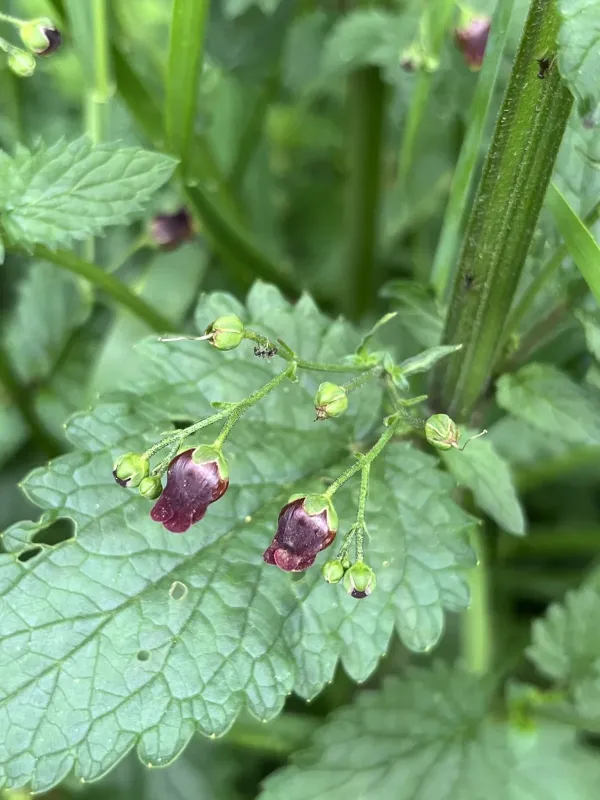
Botanically, the plant is characterized by a distinctive square stem and opposite leaves. The flowers are arranged in terminal panicles, featuring a unique purplish-brown color. The reproductive cycle relies on cross-pollination by insects attracted to the nectar produced in the blooms.
The primary хозяйственное (economic) use of Scrophularia scopolii involves the extraction of phytochemicals. Historically, various parts of the plant have been utilized in folk medicine for their anti-inflammatory properties, although modern research continues to evaluate its therapeutic profile.
Main diseases and pests
The crop is occasionally prone to aphid infestations, which can stunt growth if left unmanaged. Fungal infections, particularly powdery mildew and root rot caused by stagnant moisture, remain the most significant pathological threats to successful cultivation.