
Planchonella australis
Planchonella australis (R. Br.) Pierre
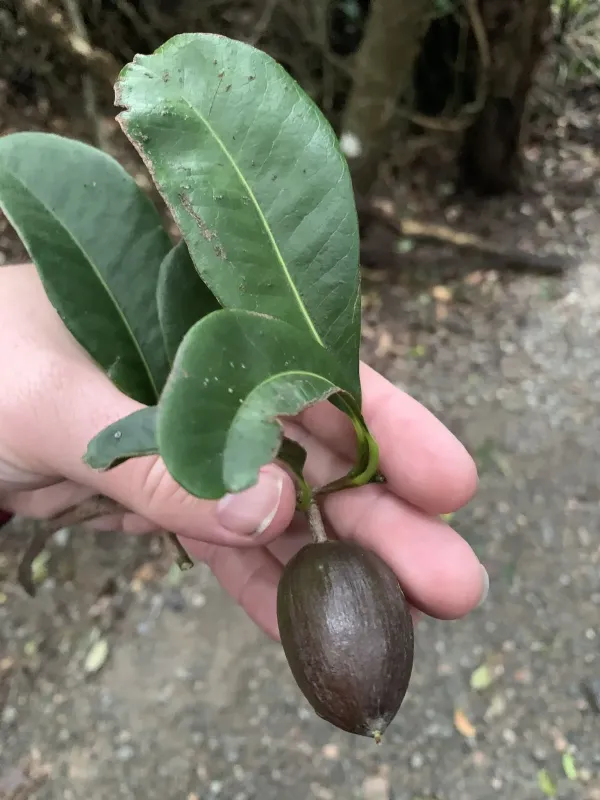
Description
Growing requirements
Planchonella australis, widely known as the black apple, is a member of the Sapotaceae family. This evergreen tree is native to subtropical and tropical rainforest regions, where it thrives under high-humidity conditions and mild temperatures throughout the year.
Successful cultivation requires deep, fertile, and well-drained soils. As a tree that does not tolerate waterlogging, it is essential to ensure that the site has excellent drainage, especially in areas with high seasonal rainfall.
In terms of climate, the species requires protection from frost and cold winds. It performs best in sheltered positions that provide partial shade in the early stages of growth, moving to full sunlight as the tree matures to enhance fruit development.
Standard agronomic practices include consistent irrigation during the dry season and regular applications of balanced fertilizers. Maintaining a thick layer of organic mulch around the root zone helps conserve soil moisture and suppresses competitive weed growth.
Given its relatively slow growth rate, proper site preparation is critical. The tree benefits from spacing that allows for adequate airflow within the canopy, which is vital for preventing the development of moisture-related fungal diseases.
Yield
The primary agricultural output of Planchonella australis is its edible fruit, which is often appreciated for its unique, sweet, and mild flavor. The fruits are typically round to oval, turning dark purple or black upon reaching maturity.
Beyond fresh consumption, the fruits have potential applications in gourmet culinary uses, including jams, jellies, and artisanal desserts. The plant is also recognized in some cultures for its traditional uses of different botanical parts.
The wood of this tree is highly regarded for its durability and strength, making it suitable for high-quality carpentry and furniture production. Consequently, it serves both as an orchard crop and as a source of high-value timber.
The yield of mature trees can be substantial, though commercial production is often limited by the time taken for trees to reach full fruiting age. However, selective breeding programs seek to improve fruit size and productivity for potential orchard expansion.
The species also contributes to biodiversity in its native ranges, often being used in reforestation projects and as a shade tree in agroforestry systems, providing habitat for native fauna while producing a marketable crop.
Main diseases and pests
The tree is susceptible to various fungal pathogens, particularly in regions with high atmospheric moisture. Managing canopy density through strategic pruning is the most effective way to reduce the impact of these diseases.
Insect pests, such as scale insects and mealybugs, are common threats to the tree's vitality. Regular scouting and early intervention using eco-friendly insecticides or biological control agents are recommended to maintain tree vigor.
Nutrient deficiencies, specifically chlorosis, can occur if soil pH levels are not properly managed. Regular soil testing allows for the application of iron and magnesium supplements, which are essential for maintaining healthy leaf color and photosynthetic efficiency.
Root-knot nematodes can pose a challenge in sandy soil environments. To mitigate this risk, farmers are advised to use certified disease-free seedlings and practice crop rotation or soil solarization before planting.
Integrated Pest Management (IPM) strategies are highly recommended to balance pest control with environmental health, ensuring that the production of black apple remains sustainable and profitable for growers.
Harvesting
Harvesting Planchonella australis involves picking fruits at the peak of ripeness. Ripeness is typically indicated by the fruit's dark skin color and a slight softening of the flesh, requiring a tactile assessment during the harvest period.
Because the fruits do not ripen uniformly across the entire canopy, multiple picking rounds are necessary throughout the season. This labor-intensive process requires careful planning to ensure the maximum percentage of the crop is harvested at the right time.
Handling the harvested fruit with care is paramount to preventing bruising and skin tears, which significantly reduce market value. Soft padding in collection containers helps preserve the delicate texture of the fruit during transport.
Immediate post-harvest cooling is required to maintain the fruit's quality. Storing the crop in a temperature-controlled environment helps prolong its shelf life, allowing for more flexible distribution to local markets.
Effective sorting and grading allow growers to categorize the harvest by size and appearance. Premium-grade fruits are directed toward fresh market consumption, while secondary grades are processed for value-added products like jams.