
Amur cork tree
Phellodendron amurense Rupr.
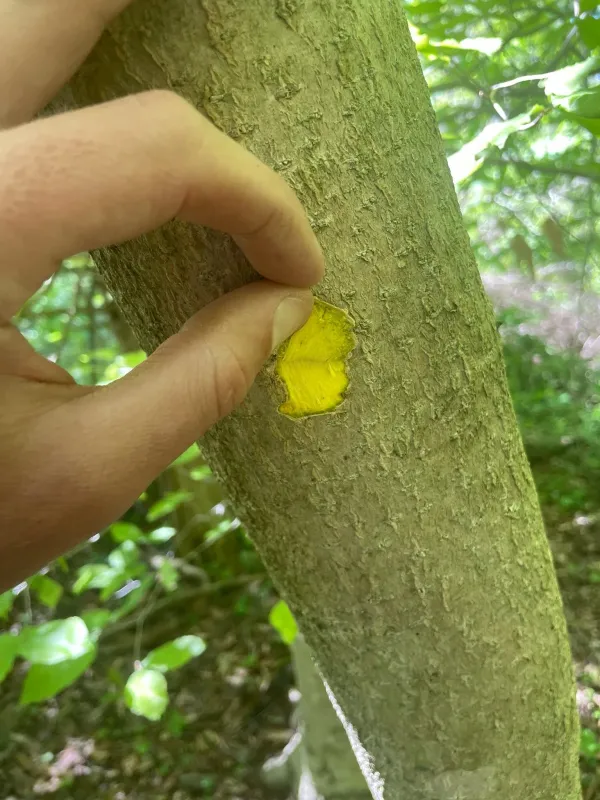
Description
Sowing dates
Sowing Amur cork tree seeds is best performed in the autumn, as the seeds require mandatory cold stratification for 3–4 months to break dormancy. If spring sowing is preferred, seeds must undergo pretreatment in a refrigerator or outdoors under snow cover.
Seeds should be planted at a depth of 1.5 to 2 centimeters. Sowing is typically done in rows with a spacing of 20–25 centimeters, providing sufficient space for seedling development during their first year of growth.
To improve germination rates, seeds can be soaked in warm water for 2–3 days, with regular water changes. Pre-treating seeds with growth stimulants before sowing also significantly enhances the success rate in field conditions.
The soil for seedbeds must be loose, humus-rich, and moderately moist. It is crucial to monitor moisture levels to prevent the top layer from drying out, as Amur cork tree seedlings are highly sensitive to drought during their initial weeks.
Once seedlings emerge, thinning is necessary to remove overcrowding and allow the strongest specimens to thrive. Nursery density should be planned with the intention of transplanting the young trees to their permanent location after approximately two years.
Growing requirements
The Amur cork tree is a deciduous tree belonging to the Rutaceae family, valued for its ornamental appeal and medicinal properties. Naturally found in the Russian Far East, China, and Korea, it thrives in river valleys and lower mountain slopes.
The species requires fertile, well-drained loamy or sandy-loam soils with a neutral or slightly acidic pH. It does not tolerate waterlogging or heavily compacted soils, which can lead to root system issues.
Amur cork trees are photophilous, requiring full sunlight, especially as they mature. While young trees can tolerate light partial shade, they grow best with unobstructed exposure to the sun. The species is cold-hardy, surviving temperatures as low as -30°C.
Protection from strong winds is essential to prevent damage to fragile young shoots. During prolonged dry spells, young trees require supplemental irrigation to maintain healthy growth, given their relatively shallow root system.
As the tree grows rapidly in its first decades, proper spacing of 5–6 meters between trees is required for permanent planting to ensure the development of a full, healthy crown and to allow for future bark harvesting.
Yield
The economic value of the Amur cork tree is multifaceted, with its primary product being the cork bark, which is harvested from trees aged 15–20 years and older. The cork layer regenerates, allowing for subsequent harvests at planned intervals.
The tree's berries are rich in essential oils and are utilized extensively in pharmaceuticals and traditional medicine. Fruit yields are highly dependent on tree age and light exposure, with maximum yields observed in full-sun conditions.
Amur cork wood is prized for its high durability and resistance to rot, making it a high-quality material for the furniture industry. Its attractive grain and ease of processing ensure a stable market demand for high-quality timber.
The leaves are rich in alkaloids and flavonoids, making them a viable raw material for the production of biological supplements. Leaf collection usually occurs during the active vegetative growth phase before the onset of autumn senescence.
Establishing commercial plantations requires long-term commitment, as the output of high-quality cork or timber products is only viable through adherence to strict silvicultural practices and consistent forest management.
Main diseases and pests
The Amur cork tree is generally resistant to most common forest diseases. However, improper site conditions or poor management can lead to fungal infections, such as powdery mildew or leaf spot, which may impact tree vigor.
The most significant pests include leaf-eating insects, particularly various caterpillar and beetle species, which can reduce the tree's photosynthetic capacity. Regular monitoring of the canopy is recommended to mitigate pest impact early.
Root rot can occur in areas with poor drainage or stagnant water, particularly in heavy clay soils. Ensuring proper soil water management is the most effective preventative measure against root-related pathologies.
Young trees are vulnerable to rodent damage during winter months. Protecting tree trunks with physical barriers or mesh is standard practice to prevent bark stripping and ensure the survival of young plantation stock.
In cases of significant pest outbreaks, the use of biological control agents is preferred to maintain the integrity of the tree's medicinal and chemical properties, ensuring that the harvested materials remain free of synthetic pesticide residues.