
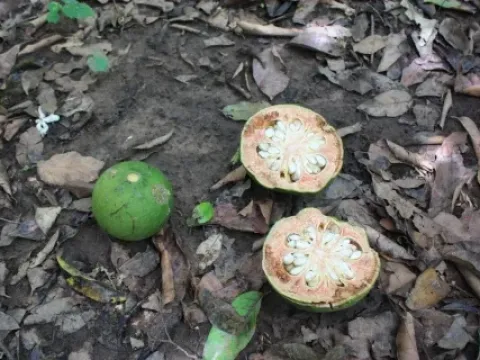
Afraegle
Afraegle
Afraegle is a genus of flowering plants belonging to the family Rutaceae. These evergreen trees are native to tropical Africa and share significant botanical similarities with other citrus-related species. Their presence in the wild is mostly limited to forest fringes and humid savanna regions.
What the section contains

Afraegle
Cultivation of this plant requires a climate that mimics its tropical home, characterized by consistent warmth and humidity. It is strictly a frost-intolerant plant, meaning it can only thrive in areas where temperatures remain well above freezing throughout the entire year.
The soil requirements for Afraegle are quite specific: it demands well-drained, fertile soil. Whether planted in orchards or containers, the substrate must allow for efficient water runoff to prevent root saturation, which is a major precursor to plant decline in this genus.
Botanically, the plant is known for its complex leaves and the presence of thorns on the branches. These thorns serve as a deterrent to browsers, while the foliage contains volatile oils that produce a distinct, pleasant aroma when the leaves are crushed or damaged.
Regarding its use, certain species within the genus are locally valued for their edible fruits. Furthermore, the hardy nature of the wood has made it useful in regional craft, while its resilience as a rootstock offers potential for broader agricultural research.
Like many members of the Rutaceae family, Afraegle is susceptible to common citrus pests such as aphids, scale insects, and whiteflies. These insects typically infest the underside of leaves and tender young stems, extracting plant sap and weakening the tree.
Fungal infections, particularly anthracnose and leaf spot diseases, can become problematic during periods of high humidity or excessive rainfall. Proper pruning to ensure airflow through the canopy is the most effective preventative measure against these conditions.
Root rot caused by Phytophthora species is a critical threat that can kill an established tree if soil conditions remain waterlogged for extended periods. Once symptoms appear in the foliage, the infection in the roots is usually already advanced.
Vertebrate pests, such as rodents, can damage the bark of younger trees. Protecting the base of the trunk with mesh or guards during the first few years of growth is highly recommended to ensure the longevity of the plantation.
Integrated pest management, including regular inspections and the use of targeted biological controls, is essential for maintaining a healthy and productive Afraegle stand while minimizing the need for synthetic pesticides.